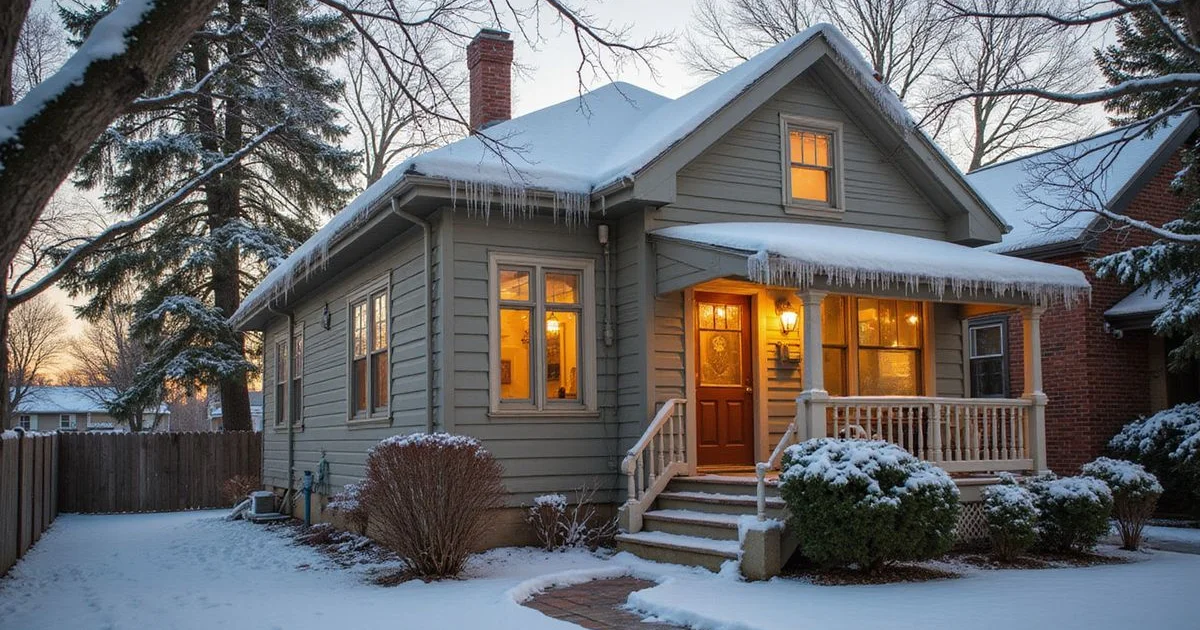
Every fall, some Saint Paul homeowners face the same question: list now, wait for spring, or do something else entirely? Winter changes a few things about selling a house here. Some of those changes make a traditional listing harder. Others simply mean planning a little differently. This post walks through what actually changes between roughly November and March, so you can decide with clear eyes.
Why Do Some Owners Decide to Sell Before or During Winter?
The reasons are usually practical, not seasonal:
- Repairs are on hold. Exterior work like roofing, siding, foundation digging and concrete often can’t happen once the ground freezes and temperatures drop. A repair-then-list plan made in October can slip to spring.
- The house is empty. An inherited or vacant home costs money every month, and a Minnesota winter adds heating bills and freeze risk on top of taxes and insurance.
- A move is coming. A new job or a move closer to family doesn’t always wait for the spring market.
If none of these apply, waiting for spring may be perfectly reasonable. Many homes in good condition sell well when the market picks up.
What Can a Winter Walkthrough Show, and What Can’t It?
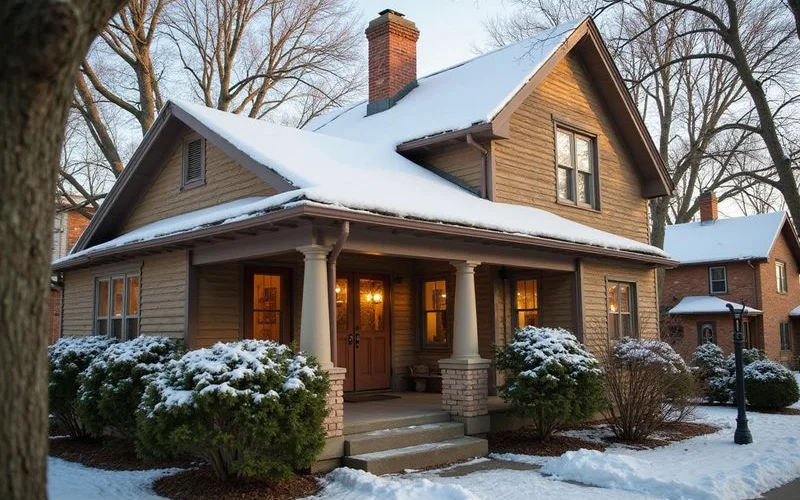
A walkthrough in January can tell you a lot. Heating systems are running, so you can see whether a boiler or furnace keeps up. Drafty windows and cold rooms are obvious. Ice dams along the eaves can point to attic insulation or ventilation problems. Basements often show whether there’s moisture or frost along the walls.
Snow does hide some things, though:
| Area | What winter can hide | How it’s usually handled |
|---|---|---|
| Roof | Shingle condition under snow | Age, interior stains and attic checks; a roof estimate if needed |
| Exterior foundation | Cracks below the snow line | Interior basement walls and any past reports |
| Grading and drainage | Where water goes in spring | Seller’s knowledge and visible signs inside |
| Air conditioning | Can’t be tested in the cold | Age and service records |
This is why disclosure and honest conversation matter even more in winter. If you know the roof leaked last spring, say so. Ryan factors in what can’t be seen and explains how in the written outline.
A note on TISH in winter
Saint Paul’s Truth-in-Sale of Housing evaluation still applies where the city requires it, whatever the season. Some exterior items may be noted as not visible due to snow. Check current DSI guidance for how that’s handled.
Why Do Repair-Then-List Plans Often Slip to Spring?
Frozen ground makes foundation excavation, exterior drainage work and concrete pouring difficult or impossible. Roofers work in limited winter windows. Exterior painting needs warmer temperatures. Contractors may have backlogs from fall.
If your plan was to fix the foundation in November and list in December, the realistic version may be: repairs in April, listing in May. That means several more months of holding costs. Our repair first or sell as-is worksheet helps you put numbers on that delay, and the as-is sale page explains the other path.
How Do You Protect an Empty House Through Winter?
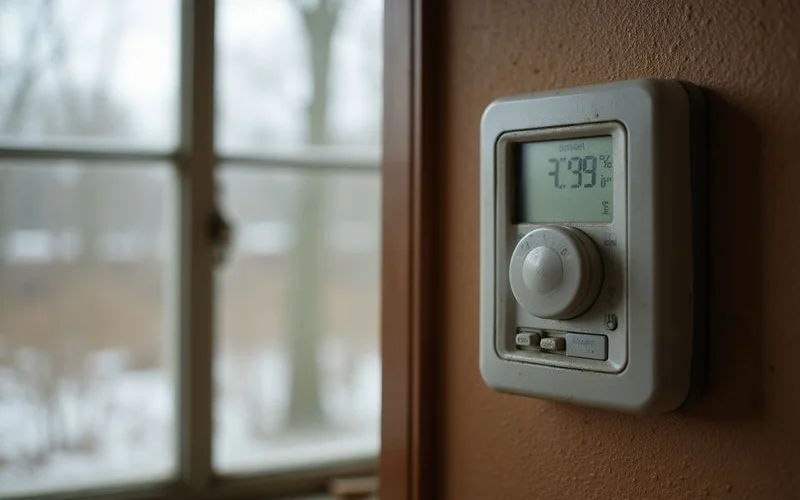
If the house is vacant, winter is the riskiest time of year. A few basics:
- Heat or winterize. Keep heat at a safe minimum, or have the plumbing properly drained and winterized. A burst pipe can turn a sellable house into a water-damaged one in a day.
- Call your insurer. Many policies limit coverage after a home has been vacant for a period. Ask what’s required, such as periodic inspections.
- Clear snow and ice. Owners stay responsible for sidewalks under city rules, even if nobody lives there.
- Check in regularly. Someone should walk through after cold snaps and storms.
Our guide to protecting an empty Saint Paul house through a Minnesota winter goes into more detail, and it’s worth reading if you’ve inherited a home or already moved.
Can You Close Around the Holidays?
Yes, but plan for it. Title companies, lenders and county offices have holiday closures, and people travel. If you’d like to close before year-end, or right after the new year, say so early. Ryan discusses preferred dates at the start and puts the target closing date in writing once title, payoffs and any city requirements are known. We don’t promise a fixed timeline before those facts are clear.
If you’ve already moved, remote or mail-away signing may be available through the title company, which helps when travel isn’t practical in December.
What’s the Next Step?
If you’re weighing a winter sale, start with your own numbers. Compare the cost of holding the house until spring, plus any repairs, with what you’d likely net from selling now. When you want a real number to compare, request a written offer outline. Ryan will look at the house as it is, explain what winter does and doesn’t change, and leave the decision with you.
Thinking about selling before spring? See how we buy houses in Saint Paul as-is, with Ryan as your single point of contact.