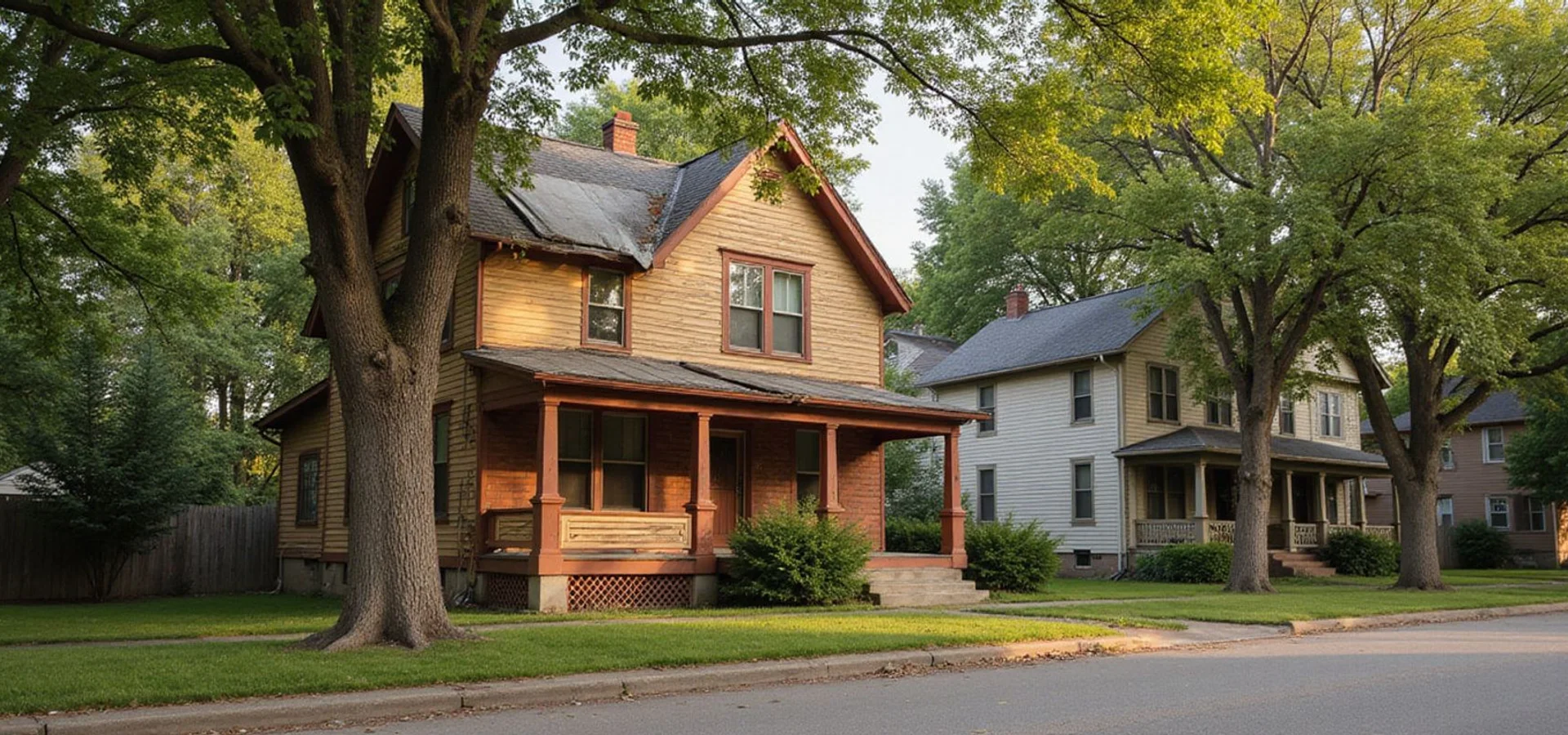
Are you wondering if your property’s condition is bad enough to complicate a sale?
We know that looking at major repairs can feel totally overwhelming. It is completely normal to feel stuck when you realize those cracks or water stains are more than just a quick fix.
As a local cash home buyer in Saint Paul, we are going to walk you through the exact steps to evaluate your options if you want to sell a damaged house in Saint Paul.
So, grab a cup of coffee, and let’s go through it together.
What Counts as a Damaged House in Saint Paul?
There is a big difference between a house that needs cosmetic updates and one with real damage. Dated kitchens and worn carpet are just superficial issues. Damage is the kind of problem that affects the structure, safety, or financing options of your home.
We often see this distinction confused during a sale. A few common examples of serious damage include:
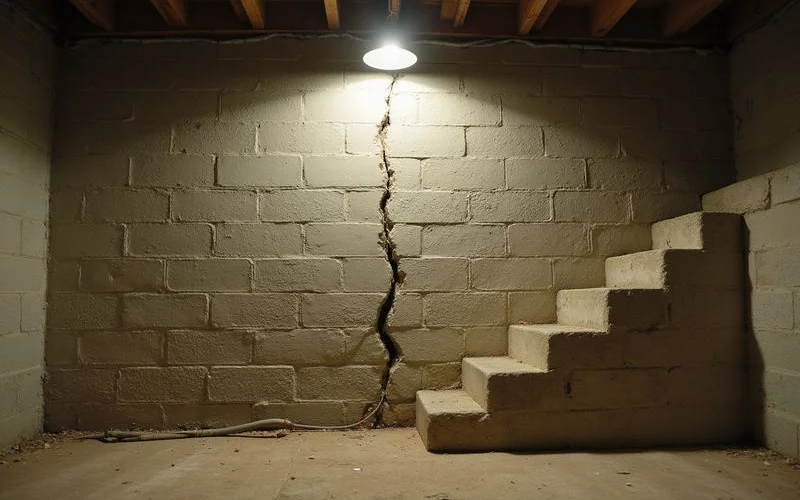
- Foundation problems: settlement, stepped cracking in block walls, frost heave, or bowing walls caused by our heavy Minnesota clay soils.
- Water intrusion: leaking basements, efflorescence, frozen or burst plumbing, and the mold that can follow.
- Roof damage: failed shingles, ice dams, and the interior water damage they cause.
- Fire and smoke damage: from a small kitchen fire to major structural loss.
- Major system failure: heating, electrical, or sewer problems that make the home hard to live in.
These structural issues carry real costs. In the Twin Cities area, average foundation repairs hit around $7,092, and fixing major frost heave can easily exceed $10,000.
We want you to know that having one or more of these problems simply means you have different options. You still have a path forward, along with a few obligations that do not go away.
Why Are Damaged Homes Hard to Sell on the Open Market?
Most buyers need a mortgage to purchase a home. Conventional and government loans require the property to meet strict basic condition standards before approval. An appraiser will check the home to ensure it is safe and structurally sound.
We run into financing hurdles all the time with damaged properties. For example, the Federal Housing Administration (FHA) mandates that a roof must have at least two years of remaining physical life to pass inspection. A house with an active foundation problem, a failed roof, or no working heat often will not qualify for financing until it is repaired.
This strict criteria shrinks your buyer pool to cash buyers and people using renovation loans. Relying on this smaller group usually means a lower price and a lot more uncertainty at closing. That is why the core question comes down to a simple choice.
Should you repair the damage first, or sell as-is and let the buyer handle the work?
Should I Repair First or Sell As-Is?
The right answer depends entirely on the size of the repair and your ability to manage it. Your available funds and the estimated after-repair value of the property also play a huge role.
We use a simple method to compare the two options.
This breakdown helps clarify the decision:
| Question | Points toward repairing | Points toward selling as-is |
|---|---|---|
| How big is the repair? | Contained, well-defined | Large or uncertain scope |
| Can you fund it? | Yes, without strain | Not easily |
| Is insurance paying? | Yes, and the claim is moving | No, or the deductible is high |
| How much time do you have? | Months to manage contractors | Little, or none |
| Will repairs unlock financing? | Yes, and comps support the value | Repairs still leave other issues |
We recommend using the repair first or sell as-is worksheet with your own specific estimates. Taking the time to run the numbers will give you a clear picture. If repairing clearly nets more cash and you have the time, it might be the better route.
How Do Repair Estimates Shape the Offer?
An as-is offer on a damaged home starts with the potential after-repair value, based on comparable sales of updated properties. The investor then subtracts the estimated repair costs to get a baseline figure.
We also factor in the time and money required to hold the property during repairs. Holding costs like Saint Paul property taxes, utility bills, and insurance premiums add up quickly over a three-month renovation. Transaction costs, the buyer’s margin, and the risk of unknown problems behind a wall also affect the final number.
That is why getting your own estimates matters so much.
A written quote from a licensed contractor or a structural engineer gives you a solid benchmark to compare with any cash offer.
Ryan always explains exactly which repairs are in his estimate and why they are necessary. Read more about selling a house with foundation problems to understand structural issues in detail.
What About Insurance Claims?
Timing is everything after a sudden fire or major water loss. Most Minnesota homeowners policies set strict deadlines for reporting and filing a claim.
We always remind sellers to check their specific policy limits and requirements immediately. When you have a mortgage, your lender is usually named on claim payments. This means insurance proceeds might be held in escrow and released in stages as repairs are completed.
Some property owners repair with insurance money and then decide to sell or stay. Others choose to sell as-is with an open claim, which requires a clear written agreement on how the proceeds are handled.
A third group discovers that high deductibles, which can reach 1% to 2% of the home’s value, make repairs completely impractical.
Our detailed guide on fire or water damage: file a claim and repair, or sell as-is? compares each distinct path.
What Do I Still Have to Disclose?
Under Minnesota Statute Section 513.55, sellers must disclose all known material facts that could significantly affect a buyer’s use or enjoyment of the property. Selling a home as-is does not automatically erase this legal requirement.
We stress the importance of being completely transparent to avoid future headaches. You generally need to disclose major issues, including:
- Past kitchen fires or smoke damage.
- Historical water intrusion or ongoing mold.
- Known foundation movement or settling.
Homes built before 1978 also require the mandatory federal lead-based paint disclosure. Failing to disclose these facts can open you up to liability and lawsuits for up to two years after closing.
Clear disclosure protects both you and the buyer throughout the transaction.
If you are unsure what to include or whether a written waiver applies, it is always best to ask a qualified real estate attorney. Read do you still have to disclose problems when selling as-is in Minnesota? for more details.
Are There City Issues to Check?
Sometimes severe damage triggers direct involvement from the local government. Serious problems can lead to orders from the Saint Paul Department of Safety and Inspections (DSI) or even a hazardous building declaration.
We often see homes left vacant after a fire get flagged by the city quickly. A house sitting empty may need to be registered under the city’s vacant building program. This registration comes with a hefty annual fee, which currently starts around $2,459 and goes up based on the property category.
Repairs to satisfy the city usually require pulled building permits and final official inspections.
In a designated historic district, exterior repairs usually need a formal design review before work begins.
Our team makes sure you understand all of these requirements upfront. Ryan actively checks these items during the documentation step and explains exactly how they affect the sale. When you are ready to move forward and sell a damaged house in Saint Paul, request your cash offer and include a short description of the damage and any reports you have.