
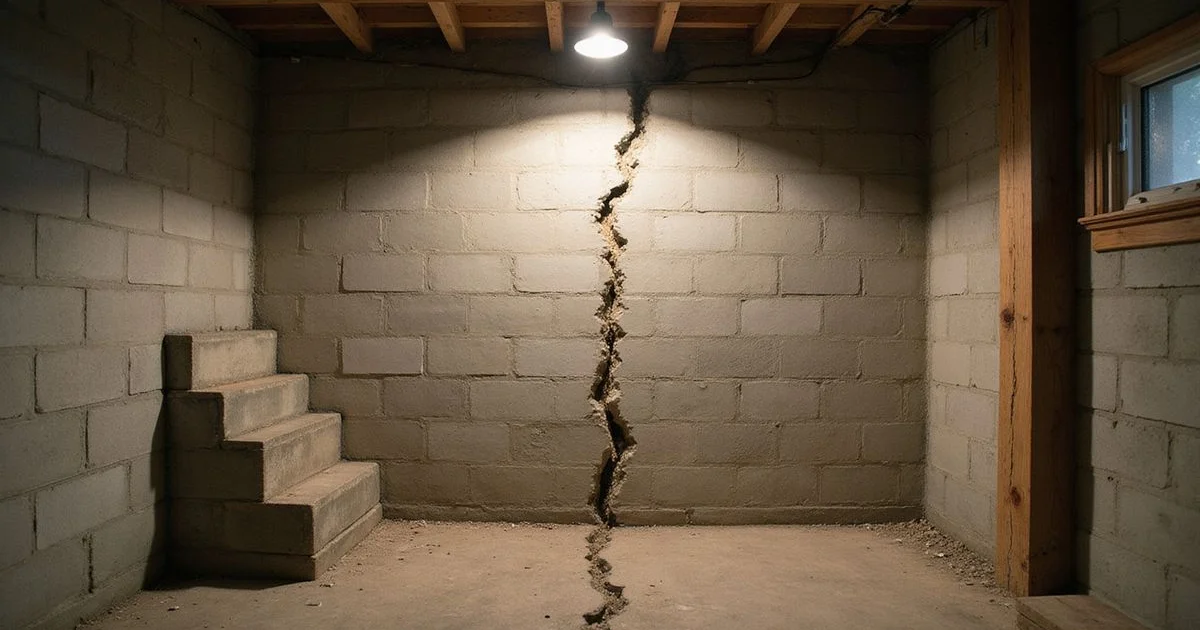
You know how a single diagonal crack in a basement wall can derail an entire real estate transaction. Buyers immediately assume the worst, and lenders start asking for extensive engineering reports.
Our professional service team manages this exact challenge with property owners every week. The truth is that you can sell a house with foundation problems in the Twin Cities quite easily if you follow a specific strategy. A 2026 market analysis shows homes with active settlement simply require a different marketing approach.
We find that successful sellers take the time to properly document the damage and price the home accordingly. If you are considering a direct cash sale right now, see sell a damaged house in Saint Paul to learn how that works.
Let’s review the current options and explore practical ways to respond.
Do Foundation Problems Make a House Hard to Sell?
Foundation issues make a house different to sell, but not impossible. The reality is that houses with structural problems sell all the time across the state.
Our data shows that buyers will purchase these properties if the repair costs are clearly defined. Uncertainty is the real enemy of a real estate transaction.
Here are the most common paths forward for local sellers:
- Listing on the traditional market after completing all structural repairs.
- Selling as-is on the retail market to buyers using specialized renovation loans.
- Accepting a direct cash offer from a local real estate investor.
A home with undocumented foundation damage can see its value drop by 10 to 20 percent on the open market.
We always recommend getting ahead of the buyer’s inspection to maintain control of the negotiation. Taking a proactive approach prevents buyers from inflating repair estimates to secure a steep discount.
The right selling path depends entirely on your budget, timeline, and the severity of the damage. Our team helps property owners evaluate these choices carefully.
Common Foundation Issues in Older Twin Cities Homes
Minnesota’s severe freeze-thaw cycles and heavy clay soils are incredibly hard on older foundations. Frost depth in the region reaches 42 inches, which can cause significant stress on shallow footings.
We frequently encounter several specific structural failures when evaluating local properties.
- Stepped cracking in concrete block walls, following the mortar joints in a stair-step pattern, often from soil pressure or settlement. Managing a stepped cracks foundation sale requires specific documentation.
- Horizontal cracks or bowing in block walls, which can indicate significant pressure from outside.
- Settlement, where part of the house sinks, shown by sloping floors, sticking doors or cracks above openings.
- Frost heave, where freezing soil lifts footings or slabs.
- Water intrusion and efflorescence, white mineral deposits left as water moves through masonry.
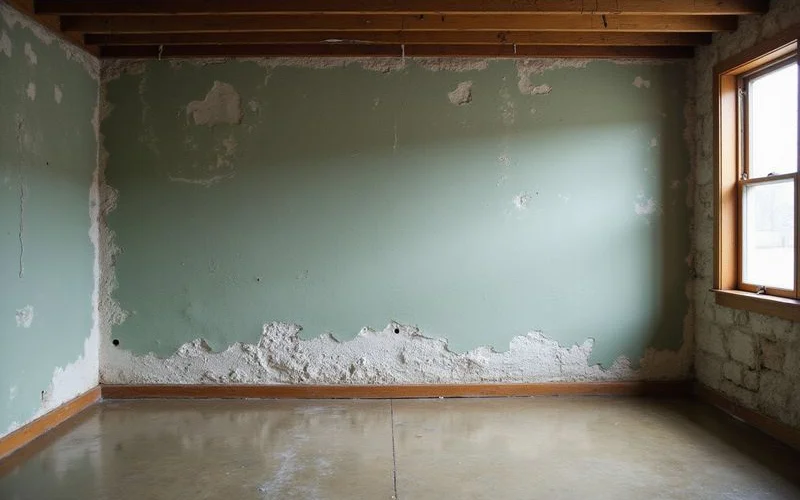
Older stone and early block foundations, common in Saint Paul, often show some of these specific symptoms. Many of these older basements remain stable for decades, while others require immediate professional intervention.
Our recommendation is to monitor any new cracks closely during the spring thaw. Heavy clay soil expands significantly when wet, putting immense lateral pressure on basement walls. Proper exterior drainage often solves minor seepage before it becomes a major structural failure. If the water came from a burst pipe or a firefighting response instead, see fire or water damage: repair or sell as-is.
Get the Facts: Estimates and Evaluations
A structural engineer’s evaluation tells you exactly what is happening and what it will take to fix it. A licensed contractor’s estimate then puts a precise price tag on that repair plan.
We consider these two documents to be your most powerful tools during a sale.
“A foundation repair estimate that does not include an in-person interior inspection is completely useless. The only way to know the true extent of the damage is to measure it and probe the soil around it.”
A residential structural engineer inspection in Minnesota typically costs between $500 and $1,000 for a site visit. Getting this professional stamp removes the guesswork and stops buyers from making exaggerated assumptions.
Our clients use these reports to establish a firm benchmark to compare any incoming offer against.
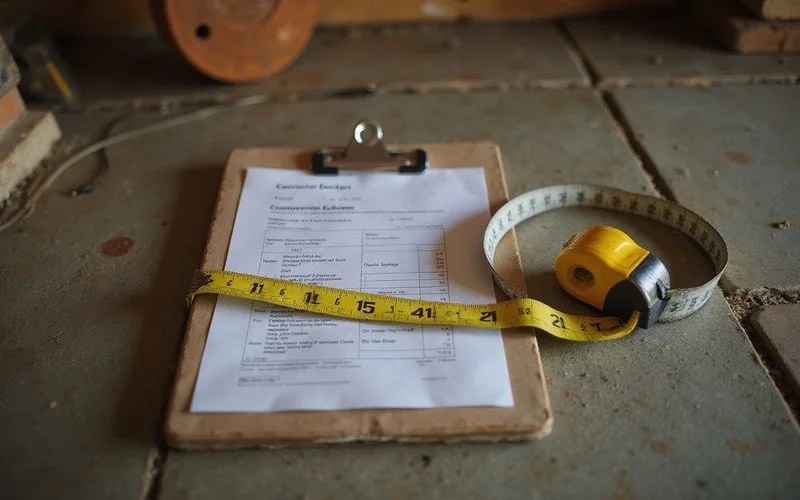
In the Twin Cities, average foundation repair costs can range from $4,000 for simple crack injections to over $15,000 for extensive piering. Having exact numbers makes your seller disclosure far more accurate and protects your bottom line.
How Foundation Problems Affect Offers
Foundation problems directly lower the amount a buyer is willing to offer on your property. Buyers calculate their offer by taking the repaired value of the home and subtracting repair costs, holding costs, and a risk margin.
We see this math play out constantly during negotiations.
| Factor | Why it matters |
|---|---|
| Repair scope and cost | The biggest single line in many as-is offers |
| Uncertainty | Unknowns add risk, which buyers price in |
| Buyer financing | Lenders may not finance until repairs are done |
| Water management | Grading, gutters and drainage often add to the scope |
| Comparable sales | Value after repairs is based on similar fixed homes |
The more defined the structural problem is, the less risk the buyer has to price into their offer. A vaguely defined issue gives the buyer an excuse to ask for a massive price reduction.
Our experience proves that transparency usually yields a much higher net profit for the seller.
What About Financing Limits?
Most retail buyers rely on traditional mortgages, which are often blocked by active foundation problems. Lenders and appraisers look closely for structural defects and will typically deny conventional loans until repairs are completed.
We tell sellers to expect a much smaller pool of eligible buyers because of these strict lending rules. This restriction limits your market to cash buyers, investors, or individuals using specialized renovation financing.
Here are the most common financing solutions for damaged properties:
- Cash Offers: Real estate investors bypass bank requirements entirely.
- FHA 203(k) Standard Loans: These allow buyers to finance structural repairs over $5,000 directly into their mortgage.
- Fannie Mae HomeStyle: A conventional renovation loan that covers major foundation work.
The FHA 203(k) Standard loan is an excellent option for buyers willing to take on a project.
Our team frequently sees sales saved by buyers switching to this specific rehabilitation loan. Marketing the property specifically to buyers familiar with renovation loans can speed up the process.
These strict conventional financing limits are the primary reason why as-is sales are so common for damaged homes.
Disclosure Still Applies
Known foundation problems are a material fact that you must disclose under state law. If you plan to sell a house with foundation issues in Minnesota, Statute Chapter 513 explicitly requires sellers to provide written disclosure of any conditions that could adversely affect the buyer’s use of the property.
We strongly advise sellers to share absolutely everything they know about the home’s structural history.
“If a reasonable person in your position should have been aware of a problem, claiming ignorance may not protect you from liability after the sale.”
This transparency includes providing copies of past repair invoices, engineering reports, and warranty documents. Being upfront protects you from expensive lawsuits long after the closing papers are signed.
Our legal and real estate partners confirm that full disclosure helps buyers price their offers accurately from day one. An accurate initial offer is far less likely to drop later during the inspection contingency period.
Read disclosure when selling as-is in Minnesota for more detailed compliance information.
Repair First or Sell As-Is?
The decision to repair first or sell as-is depends entirely on your available cash and the total scope of the work. If the foundation fix is well-defined, affordable, and opens up traditional financing, doing the work yourself often pays off.
We help owners weigh these two options by looking at the exact numbers and timelines.
| Strategy | Best Used When | Primary Benefit |
|---|---|---|
| Repair First | The fix is under $5,000 and clears bank requirements. | Maximizes the final retail sale price. |
| Sell As-Is | Repairs exceed $15,000 or soil conditions are unstable. | Avoids out-of-pocket costs and delays. |
Repairing a minor issue can expose your listing to a massive pool of conventional and FHA buyers. A major structural overhaul costing $15,000 or more might force you to take out a high-interest loan just to fund the repairs.
Our analysis often shows that selling as-is to a cash buyer nets nearly as much money, without the stress of managing contractors.
Run both of these scenarios through the repair first or sell as-is worksheet to get a clear financial picture. Consider these final steps before making your choice:
- Compare your calculated net profit against a written cash offer.
- Factor in the holding costs of paying your mortgage while repairs are completed.
- Assess your personal timeline and willingness to manage a construction project.
Whether you decide to fix the damage or sell a house with foundation problems in the Twin Cities as-is, you must choose the path that protects your peace of mind.
We encourage you to reach out for a free property evaluation to review your specific situation. Contact us today to compare a direct cash offer against your current repair estimates.
This guide is general information for Saint Paul and Minnesota sellers, not legal, tax or financial advice. Rules change, so confirm current requirements with the official source or a qualified professional.