Serving homeowners across Saint Paul, MN
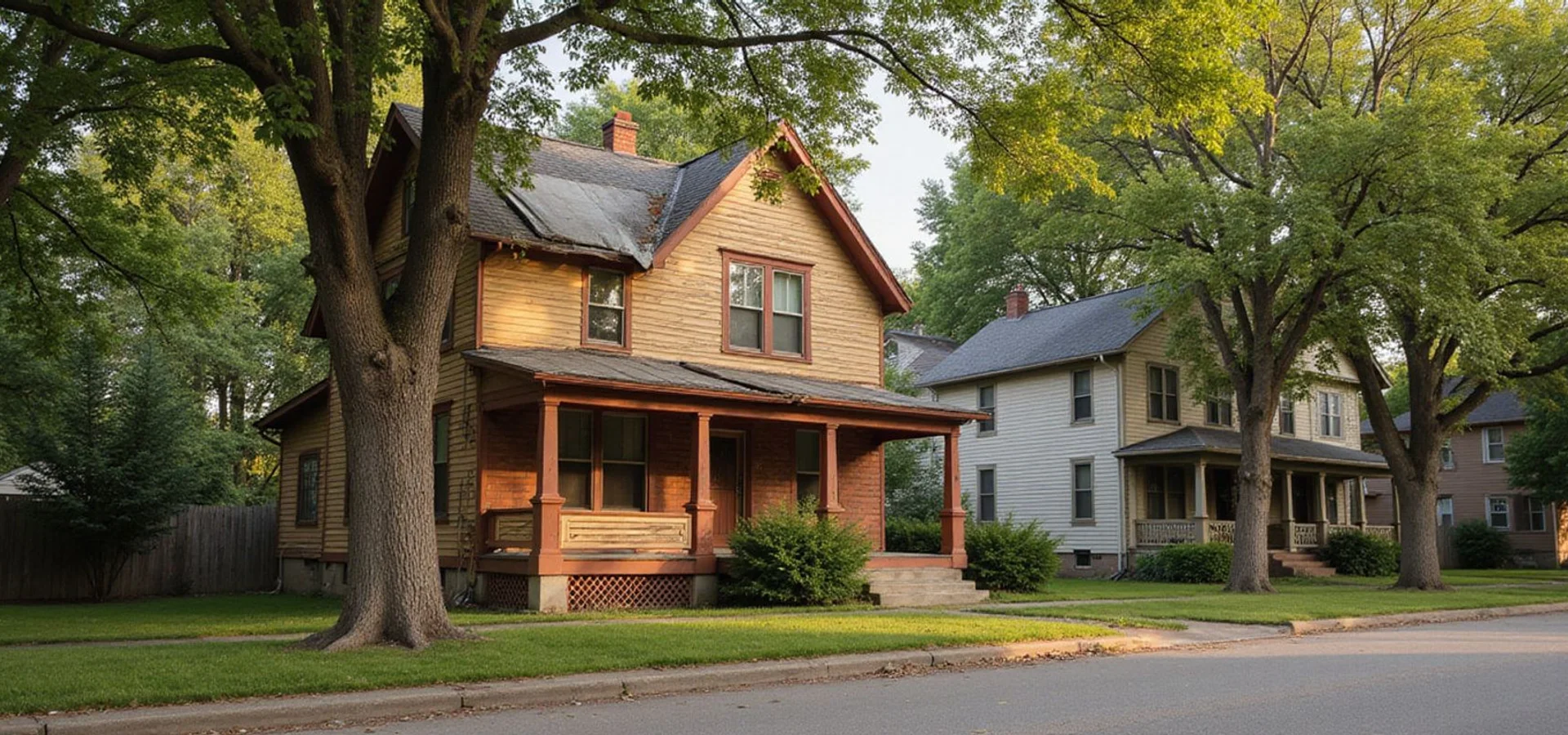
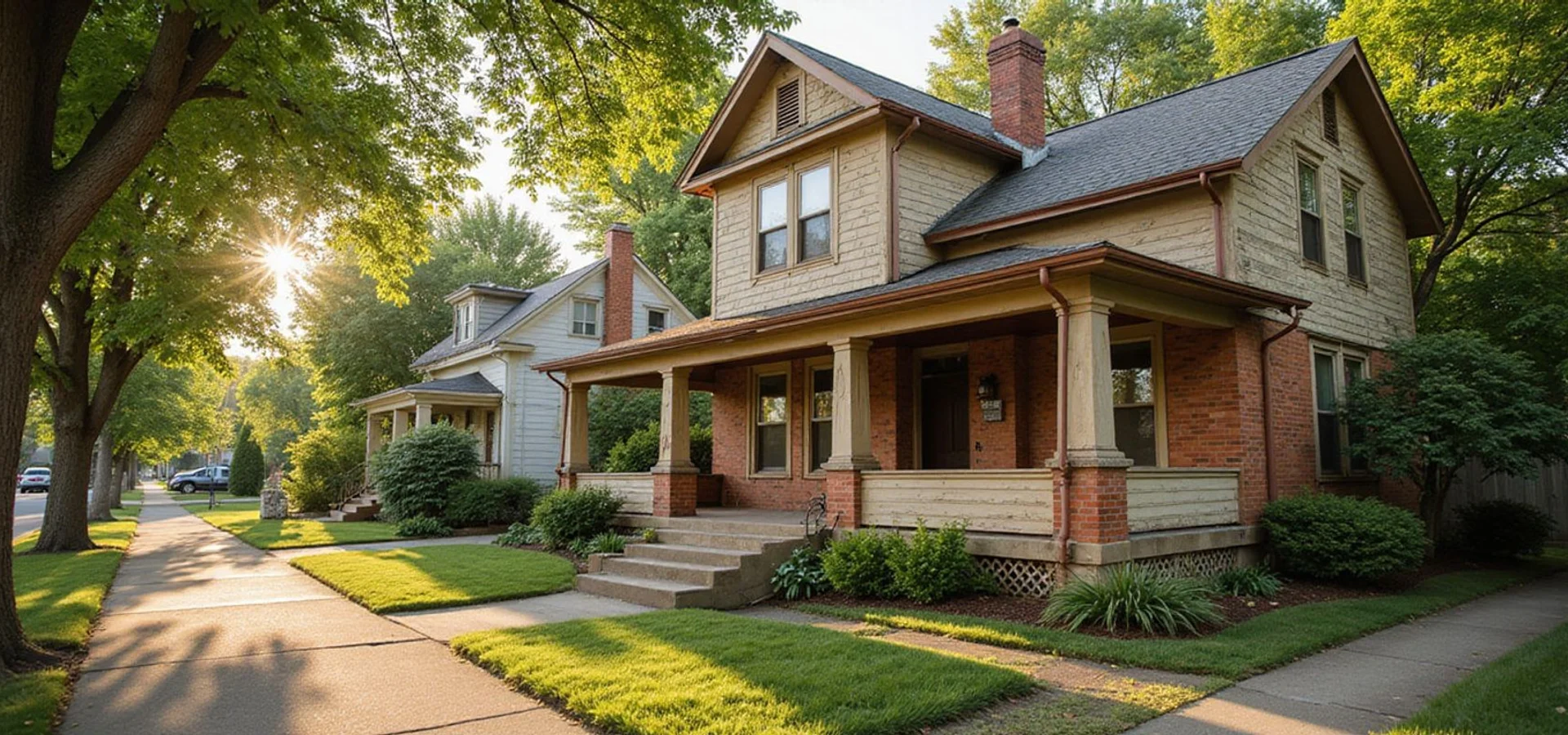
Empty older house on a quiet Saint Paul street in autumn
Vacant and Unwanted Homes

Carrying an Empty Saint Paul House You No Longer Need?

Carrying an empty house you no longer need? Ryan checks the property's Saint Paul vacant-building status first, explains what any requirements mean for a sale, and gives you a written outline before any timing is discussed.

  • City status checked first
  • Remote coordination
  • Holding costs compared
Free, No Obligation

Tell Ryan About the Property

A few details help Ryan see whether the home fits the buying criteria. No obligation.

Please give a phone number or an email so Ryan can reach you.

Your details go only to Ryan. See our privacy policy.

  • Ryan Is Your Contact One named person coordinates your inquiry
  • As-Is Option Eligible homes, no renovation project required
  • Written Offer Outline Price, costs, contingencies and responsibilities in writing
  • Twin Cities Roots Ryan grew up in Shoreview

Who This Option Is For

An empty house still costs money every month in taxes, insurance, utilities and upkeep, and Saint Paul may require vacant-building registration. Ryan starts by checking the property's city status and any outstanding requirements before talking about timing.

Out-of-area owners can coordinate access and paperwork remotely. You receive a written outline showing what the offer assumes and which requirements remain.

What Ryan reviews and provides

  • City vacant-building status reviewed before timing is discussed
  • Holding-cost comparison: keep, repair, or sell
  • Remote coordination for out-of-area owners
  • Links to official DSI resources
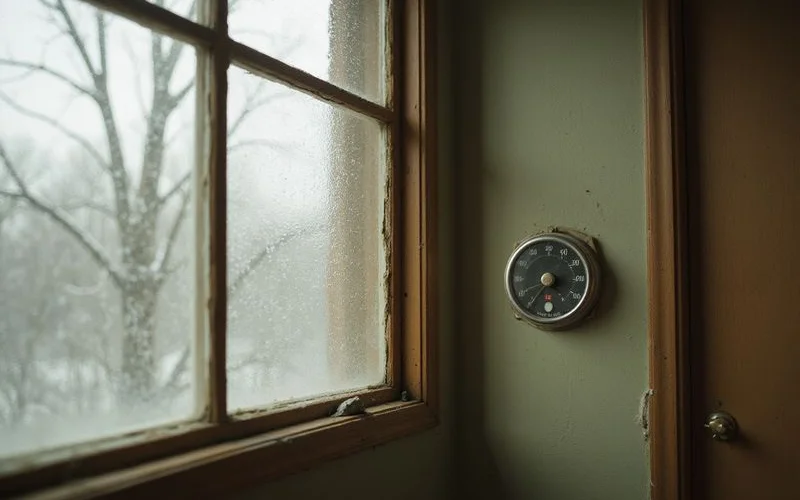
Thermostat set low in an empty house during winter

What still applies

  • •Vacant building registration and fees follow the property's status
  • •Category 2 and 3 buildings carry requirements that affect buyers
  • •Owners remain responsible for securing the property, snow and ice
  • •TISH, disclosure and title steps still apply where required

Why Does Selling a Vacant House in Saint Paul Start With City Status?

Have you ever wondered why leaving a property empty in our city feels so complicated? We see it all the time with local homeowners and business owners.

To successfully Sell a Vacant House in Saint Paul, you first have to understand the city’s strict rules.

You might be surprised to learn that an empty property isn’t just sitting there. The city’s Department of Safety and Inspections (DSI) requires owners to register unoccupied properties.

This registration comes with an annual fee of $2,459 for 2026.

Our team at We Buy Houses in Saint Paul always checks a property’s city status before discussing timelines. Promising a quick closing date without checking for outstanding city requirements just sets everyone up for disappointment.

Let’s walk through the exact steps together, so you know exactly what to expect.

What Are Saint Paul’s Vacant Building Categories?

The DSI groups registered vacant buildings into three specific categories. The exact details can change, so checking current guidelines is always a smart move.

We deal with these classifications constantly. The city uses them to determine what a buyer must do before anyone can live or work in the space again.

  • Category 1 buildings are empty but still in decent shape. The city requires a Truth-in-Sale of Housing (TISH) report, and you must pay any outstanding registration fees before transferring ownership.
  • Category 2 properties have significant issues like code violations. The DSI requires a Code Compliance Inspection, which costs around $426 for a single-family home. Buyers must provide a licensed contractor’s estimate and prove they have the finances to finish the repairs before the city approves the sale.
  • Category 3 structures face the most serious issues, often including hazardous declarations. You cannot sell these buildings without a full Certificate of Code Compliance or a Certificate of Occupancy.

Our detailed guide covers selling a registered vacant building in Saint Paul. It offers a closer look at these rules, including how to update ownership information and handle compliance certificates.

What Does It Cost to Keep a Vacant House?

An empty house acts like a leaky faucet for your bank account. The costs add up much faster than many people realize.

We tell clients to look closely at their Ramsey County tax statements. The county’s median effective property tax rate is around 1.34 percent. Officials have also proposed levy hikes for 2026, meaning your tax burden will only grow.

Here are the usual holding costs to review:

Holding costWhat to check
Property taxesYour Ramsey County tax statement
InsuranceVacancy clause limits; a vacant property policy often costs more
UtilitiesHeat, water and electricity, or winterization services
UpkeepLawn care, snow removal, gutter cleaning and regular checks
MortgageYour monthly payment, if a loan exists
City feesThe $2,459 annual vacant building registration fee
RiskFrozen pipes, break-ins and neighborhood nuisance complaints

Our worksheet on the real cost of holding a vacant house makes the math easy. You just plug in your own numbers to see the exact financial impact.

How Do I Protect an Empty House Until It Sells?

Minnesota winters are notoriously brutal on empty properties. A single frozen pipe can burst and cause thousands of dollars in water damage.

We recommend hiring a professional plumber for proper winterization. This service typically costs between $200 and $800, but it completely drains the water lines and adds RV anti-freeze to your drain traps.

A few basic steps will protect your investment:

  • Heat or winterize. Keep the thermostat at a safe minimum temperature, or have the plumbing properly drained.
  • Tell your insurer. Ask your agent what the vacancy clause requires and if they mandate periodic interior inspections.
  • Arrange snow and ice removal. Saint Paul city ordinance requires owners to clear the full width of their sidewalks within 24 hours of a snowfall. The city will fine you and hire a crew to clear it at your expense if you ignore this rule.
  • Keep it secure. Lock every door and window, use timers on interior lights, and have someone walk the property regularly. Unsecured properties quickly attract DSI nuisance orders.

You can find more detailed tips in our guide to protecting an empty Saint Paul house through a Minnesota winter.

How Is an Offer on a Vacant House Worked Out?

Calculating an offer for an empty property works just like any standard as-is offer. The only difference is factoring in the city’s current compliance status.

Our process evaluates several key details to create a fair price:

  • Recent comparable sales in the neighborhood.
  • Detailed repair estimates from licensed contractors.
  • Outstanding city assessments and holding costs.
  • The property’s value after all repairs are finished.

For Category 2 or 3 buildings, the required Chapter 33 Review changes everything. Buyers must submit specific schedules and financial proof to the city before closing. This extra red tape extends the timeline.

We also review details like utility reconnection fees or legal nonconforming use status. An old house that used to be a duplex might hold a different value than a standard single-family home.

Every single one of these factors goes straight into our written outline. This open approach lets you easily compare the offer against the true cost of keeping or repairing the building.

Should I Keep, Repair or Sell a Vacant House?

Making a choice about an empty property usually comes down to time and money. You need accurate numbers to make the smartest decision.

We always encourage owners to look at all their options without any pressure. Leaving a property empty costs thousands in taxes and fees each year.

OptionWorks best when
Keep itSomeone plans to move in soon and you can easily cover the $2,459 annual fee
Repair and sellThe required work is minor, you have the cash, and the city rules are simple
Sell as-isThe required repair scope is massive, or the monthly holding costs are draining your savings

There is absolutely no shame in choosing any of these paths. The most important thing is to base your choice on real facts and hard data.

Can I Sell a Vacant House From Out of State?

You can absolutely complete this entire process without being in Minnesota. Many of the empty properties in our area belong to heirs or owners who moved away years ago.

Our team coordinates secure access using a lockbox or a trusted local contact. A detailed video walkthrough lets you see exactly what the buyers see. Many local title companies now offer remote or mail-away signing options for closing day.

You can review the exact steps in our article about selling a Saint Paul house after you’ve already moved.

When you are ready to Sell a Vacant House in Saint Paul, request your cash offer directly through our site. Please mention if the city has already registered the property so we can give you the most accurate timeline.
How Is a Cash Offer Worked Out?

Every offer is property-specific. These are the factors Ryan reviews, and each one is shown to you in writing.

Location and comparable sales

Recent sales of similar homes nearby, adjusted for size, style and condition.

Current condition

What the walkthrough or evaluation shows today, including systems, roof and foundation.

Repair estimates

The likely cost of the work a buyer would take on after closing.

Value after improvements

An estimate of what the home could sell for once repairs are done.

Transaction and holding costs

Closing costs, taxes, insurance and utilities while work is completed.

Occupancy and title

Tenants, belongings, liens, estate authority or other title issues.

The buyer's margin is part of every cash offer, so an offer may be below what a fully renovated home would list for. Ryan says this plainly and shows the numbers, so you can compare an as-is sale with repairing and listing.

Why Talk With Ryan About Your Vacant House?

Status before schedules

Ryan checks the property's DSI vacant-building status and outstanding requirements before any dates are discussed.

Honest about requirements

Category 2 and 3 buildings come with code compliance and approval steps. You hear about them up front.

Remote-friendly

Access, walkthroughs and signing can be coordinated if you live out of the area.

Holding costs, in numbers

Compare keeping, repairing and selling with a simple monthly worksheet using your own figures.

Every term in writing

Price, seller-paid costs, contingencies and which requirements remain, all on paper.

Official sources

Links to the City of Saint Paul's vacant building program so you can verify everything.

How Selling Works: Vacant House

Seven plain steps from your first message to closing. You know what happens next at every stage, and nothing moves forward until you decide.

  1. Step 1: Inquiry

    Share the address, your contact details and a short description of the property and your situation.

  2. Step 2: Conversation

    Ryan talks with you about condition, occupancy, your goals and the timing you have in mind.

  3. Step 3: Review

    If the home looks like a fit, Ryan arranges a walkthrough or another suitable way to evaluate it.

  4. Step 4: Documentation

    Relevant property information is reviewed: title, TISH or city status, leases, liens or estate papers.

  5. Step 5: Offer

    You receive a written outline of price, terms, contingencies, seller-paid costs and responsibilities.

  6. Step 6: Decision

    Ask questions, compare with listing or other options, and take the time you need. No pressure.

  7. Step 7: Closing

    If you accept, the agreed steps and schedule are coordinated through to closing.

Helpful Saint Paul Property Resources

Every city has its own rules. These official resources help you check the facts about your home before and during any sale.

City of Saint Paul

Vacant Building Program

Vacant homes may need registration in Category 1, 2 or 3, with fees and requirements that affect who can buy and when the house can be reoccupied.

Ryan checks a property's DSI status before any timing is discussed.

Vacant buildings (DSI)
City of Saint Paul

DSI and Truth-in-Sale of Housing (TISH)

Saint Paul generally requires a Truth-in-Sale of Housing evaluation before most one- and two-unit homes are marketed. The Department of Safety and Inspections (DSI) sets the current rules.

Ryan explains how any listed items are handled in the written offer.

Saint Paul DSI
Ramsey County

Property Tax and Value Lookup

Look up assessed value, tax history and parcel details by address. It is a useful baseline before you compare any offer with recent comparable sales.

Gather these facts so you can check any buyer's numbers.

Ramsey County lookup

Official rules change. Always confirm current requirements with the city or county office.

Vacant House: Questions Saint Paul Sellers Ask

Can I sell a house that is registered as a vacant building?

Yes, but the registration category and outstanding city requirements affect the sale and its timing. Ryan checks the property's DSI status first, before discussing dates.

What are Category 1, 2 and 3 vacant buildings?

Saint Paul classifies registered vacant buildings by condition and history. Category 1 is generally the least restrictive; Categories 2 and 3 carry more requirements, such as a code compliance inspection before reoccupancy. Check DSI for current definitions.

Do vacant building fees stop when I sell?

Fees follow the registration. Confirm the property's status and how any fees are handled at closing with DSI and in the written terms.

What is a Code Compliance Inspection?

A DSI inspection that lists the work required before a vacant building can be reoccupied. For some categories, the buyer must address it, and that affects price and timing.

Are there restrictions on selling a Category 3 building?

Category 3 buildings can have additional requirements for ownership transfers, such as plans or financial capacity to complete repairs. Check current DSI rules for the property.

Does homeowners insurance cover a vacant house?

Many standard policies limit coverage after a vacancy period, often through a vacancy clause. Tell your insurer and ask about a vacant property policy.

Who clears snow at a vacant house?

The owner remains responsible for sidewalk snow and ice removal under city rules, even if nobody lives there.

How much does it cost to keep an empty house?

Add up taxes, insurance, utilities, upkeep, any mortgage and city fees. Our holding cost guide has a simple worksheet using your own numbers.

Should I winterize the house?

If the heat will be off, draining water lines is common. If not, keep heat at a safe minimum and arrange regular checks. Follow your insurer's terms.

I live out of state. Can I still sell?

Yes. Access, walkthroughs and remote or mail-away signing can usually be arranged.

Are there outstanding city assessments to check?

Possibly. Assessments and charges can be attached to the property. They are reviewed in the documentation step and handled at closing.

Still have a question about your property?

Ask Ryan directly. There is no obligation and no pressure to decide.

Talk With Ryan

Where This Comes Up Often

Area pages with local orientation and property considerations. Ryan covers all 17 Saint Paul planning districts.

Run Your Own Numbers

Free calculators that use your figures. Results are illustrative estimates, not offers.

Vacant House Holding Cost Calculator

Add up what an empty Saint Paul house costs you each month and over the time you expect to hold it.

Use the calculator

Ready to Talk About Your Vacant House?

Tell Ryan about the property and what you want to accomplish. You get a written outline of any offer, and you decide on your own schedule.

  • Written offer outline
  • No obligation to accept
  • One local contact: Ryan
Ask Ryan