
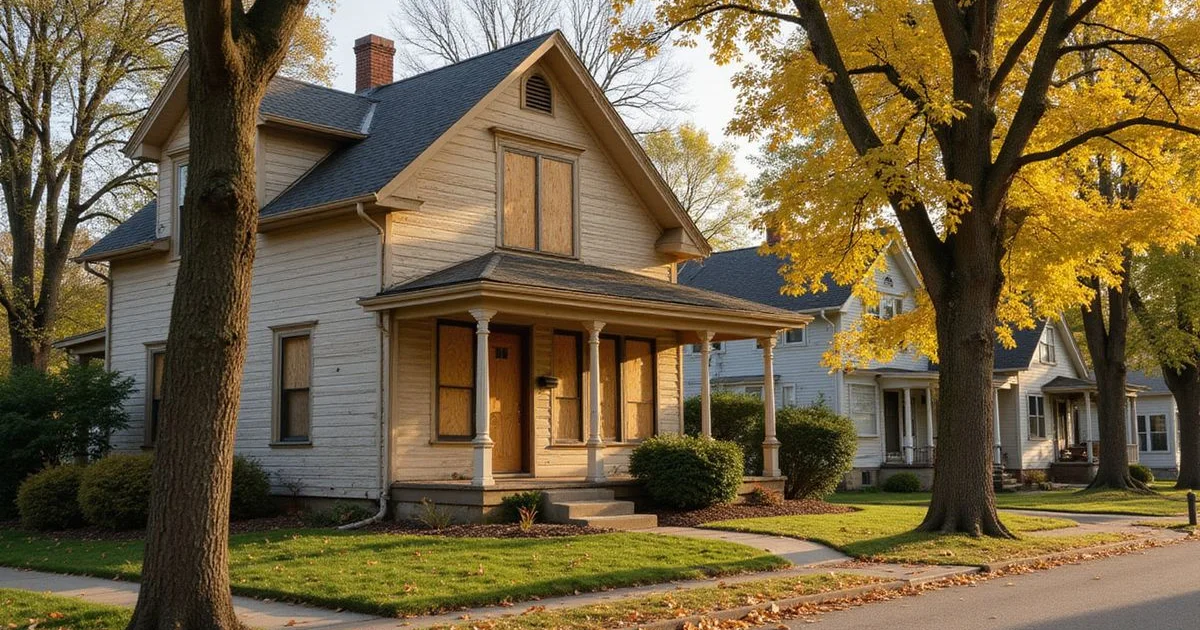
Empty properties bring unique challenges to the real estate market.
We often see owners caught off guard when the city gets involved with an empty house. The reality is that Saint Paul runs a strict Vacant Building program through its Department of Safety and Inspections (DSI). This program changes the rules of a standard sale, attaching requirements to the property itself rather than the owner.
We always recommend confirming the property’s exact status as the crucial first step before you try to sell a vacant house in Saint Paul. Let’s look at the specific DSI rules, what each category actually means, and how you can prepare to sell a registered vacant building in Saint Paul smoothly.
Why Is a Registered Vacant Building Different?
The Department of Safety and Inspections enforces strict registration requirements under Chapter 43 of the Saint Paul Legislative Code. Property owners must register their building within 30 days if it sits empty and is unsecured. We have noticed that failure to register quickly leads to major complications during a sale.
The city actively monitors these homes to prevent nuisance conditions. Fire-damaged properties do get a 90-day grace period for the fee if you submit the correct paperwork on time. This proactive monitoring means you cannot simply pass the keys to a new owner without city oversight.
Rules change
Category definitions, fees and requirements are set by the city and updated from time to time. Use the official Saint Paul vacant buildings page as your source of truth.
The Three Categories in Plain Terms
DSI groups registered vacant buildings into three specific categories. We use these classifications to determine exactly how complex a transaction will be. The category directly affects your buyer pool and the timeline.
| Category | General description | What it often means for a sale |
|---|---|---|
| Category 1 | Vacant but generally in reasonable condition | Fewer requirements; sale can be simpler |
| Category 2 | Vacant with code violations or other issues | Requires a Chapter 33 Review and City sale approval |
| Category 3 | Most serious issues, sometimes a hazardous building declaration | Strict rehab proof required, often faces city demolition if ignored |
A Category 1 house typically attracts a wide range of standard buyers. We see that a Saint Paul vacant building Category 2 property requires a specific type of investor. Buyers must be prepared to handle extensive city requirements and pull specific permits through the PAULIE online system.
Fees and Ongoing Requirements
Registered vacant buildings carry an annual registration fee set by the city. We remind clients that the recent vacant building fee Saint Paul requires starts at $2,459 and can climb over $5,410 depending on the property conditions.
Owners face several strict ongoing maintenance requirements:
- Keeping the property completely secured.
- Maintaining the exterior and the yard.
- Removing snow and ice promptly.
- Updating ownership information with DSI.
Unpaid fees quickly become direct assessments against the property taxes under Chapter 43 rules. We always recommend confirming the current status and checking for outstanding assessments before listing.
Title companies will require these balances to be settled at closing. Taking care of these fees early prevents last-minute delays.
Code Compliance Before Occupancy
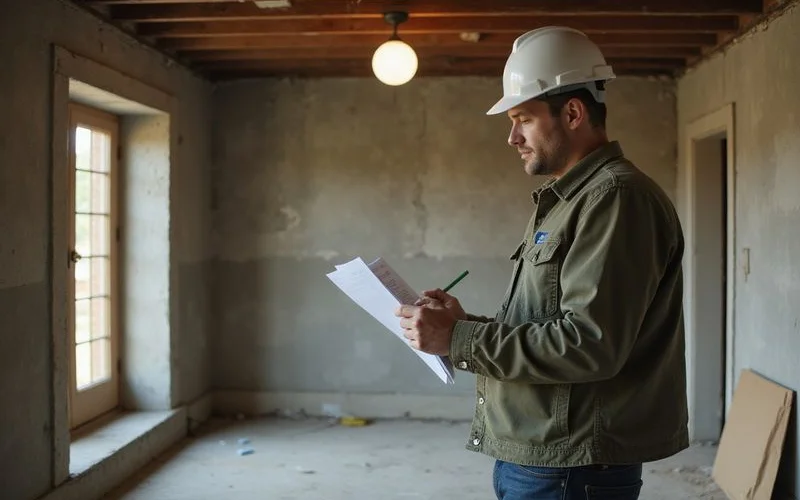
For many registered buildings, a Code Compliance Inspection lists the exact work needed before reoccupancy. We know that Category 2 and 3 properties cannot transfer ownership without this official report.
Once the required work passes inspection, the city issues a Certificate of Code Compliance. Until then, the house generally cannot be legally occupied.
For a buyer, that inspection list effectively becomes the mandatory repair scope. We watch this report heavily influence initial purchase offers.
A standard single-family home code compliance inspection Saint Paul issues costs around $426. For Category 2 and 3 buildings, the city demands more than just good intentions.
Requirements for Category 2 and 3 Transfers
Buyers face strict vetting before DSI approves a sale. We help buyers prepare these mandatory items:
- A detailed cost estimate from a licensed contractor.
- A firm schedule for the completion of all repairs.
- Verified proof of financial capability, like bank statements or escrow funds.
- City approval through the Chapter 33 Review process.
Why Status Comes Before Timing
It is tempting to ask how fast a property can close. We tell owners that the honest answer depends entirely on the DSI category and required paperwork. Getting a Chapter 33 Review and scheduling a code compliance inspection can add several weeks to your timeline.
Plan for Delays: City reviews and inspections dictate the pace of your sale, not the buyer’s eagerness.
A buyer who promises a closing date before checking the city status is simply guessing. Our team checks the property’s exact DSI status and outstanding requirements before discussing any dates.
Rushing the process without city approval often leads to dead deals. You need to establish the facts first to keep the transaction moving forward.
A Seller’s Checklist
Selling a registered building requires strict attention to detail. We use this specific checklist to keep transactions on track:
- Confirm the registration category directly with DSI.
- Request or locate any Code Compliance Inspection report.
- Check for outstanding fees, orders, or tax assessments.
- Keep the property secured and maintained while you sell.
- Gather records including the deed, tax statements, insurance, and contractor estimates.
- Share all documentation with buyers up front.
Older vacant homes come up often in neighborhoods with historic housing, such as Dayton’s Bluff. Historic designation can add another layer of required approvals. We advise sellers to factor in these timeline extensions.
Holding costs matter heavily during this process. You can read more about the real cost of holding a vacant house to prepare your budget properly. Reach out to our team when you are ready to evaluate your property and start the sales process.
This guide is general information for Saint Paul and Minnesota sellers, not legal, tax or financial advice. Rules change, so confirm current requirements with the official source or a qualified professional.