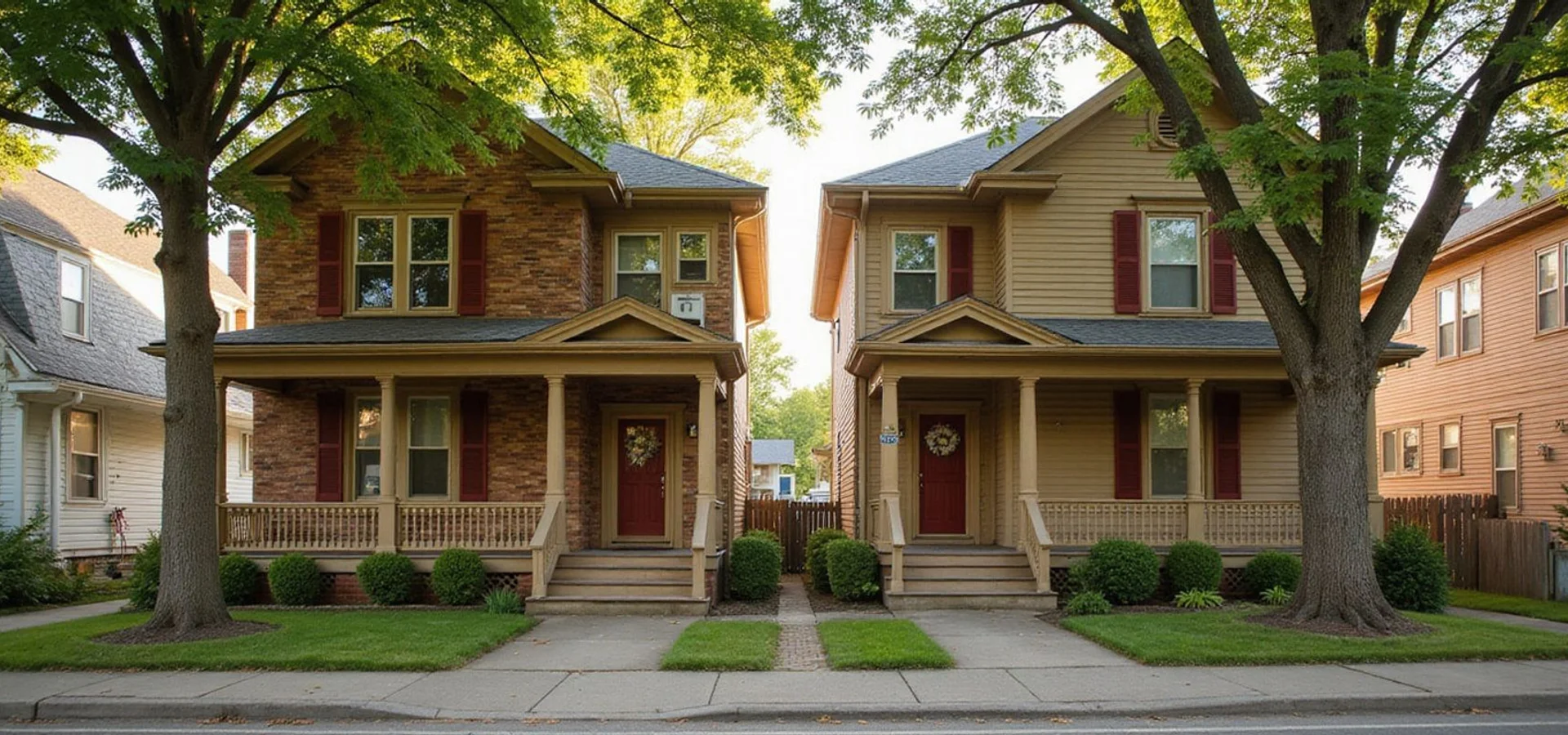

How Does It Work to Sell a Rental Property in Saint Paul?
Are you looking to sell a rental property in Saint Paul right now?
We always tell owners that there is one extra set of people to consider during the process, and that is your tenants. The leases, current occupancy, access, and condition all play a huge part in getting a fair offer.
As a local cash home buyer in Saint Paul, our team reviews these four details so we can explain exactly how an as-is purchase works. Saint Paul landlords also follow local rules that affect a buyer’s timeline and property value. We see homes in the city going pending in about 19 days on average in 2026, but tenant-occupied units need extra coordination.
Minnesota statute 504B requires at least a 24-hour notice for showings, which means you cannot just list and show immediately.
Our guide covers how these pieces fit together for a smooth sale. Just keep in mind that this is general information and not legal advice.
What Paperwork Should I Gather Before Selling?
Gathering your documents early makes the review much faster and keeps your initial offer highly accurate. We recommend pulling these specific files together before you even list the property.
Having the following documents ready will save you major headaches:
- Current leases for every unit, including any amendments and renewal terms
- A rent roll showing each unit, rent, due date, lease end, and deposit held
- Security deposit records and the specific bank account where they sit
- Rental registration or Fire Certificate of Occupancy status and any recent inspection reports
- Utility and expense records, which help estimate net operating income (NOI)
- Repair history and known issues, so deferred maintenance and capital expenditures can be estimated fairly
Buyers will often ask for an estoppel certificate during the due diligence period. This is a short statement signed by each tenant confirming their rent, deposit amount, and lease terms. Our experience shows this simple document protects both sides by catching hidden surprises before closing.
In Saint Paul, you also need to verify your Fire Certificate of Occupancy status. We remind sellers that the city requires these certificates to be renewed every one to three years based on the property type. An active certificate is crucial for a smooth and fast transfer.
Can I Sell With Tenants in Place?
You absolutely can sell your property while tenants are still living there. We buy tenant-occupied units regularly, so you do not have to wait for an empty building. In Minnesota, existing leases generally continue after a sale, and the new buyer simply steps into the landlord’s shoes.
That means a tenant-occupied sale requires a few extra steps:
- Notice for access. Minnesota 504B law requires a reasonable 24-hour advance notice before entry, and your specific lease might demand more. Walkthroughs are scheduled around tenants.
- Lease assignment. At closing, all active leases are legally assigned to the new buyer.
- Deposit transfer. Security deposits are transferred or handled as the state requires, and the entire transfer is documented.
- Notice of the new owner. Tenants receive an official notice detailing who the new owner or manager is and exactly where to send rent.
Handling the security deposit correctly is especially important under state law. We remind sellers that if the buyer does not take over the deposit, the original landlord has exactly 21 days to return it with 1% annual interest.
You can read our full guide to selling a tenant-occupied Saint Paul property for a deeper look at each step. Our breakdown on leases, security deposits and notices covers all the necessary paperwork in detail.
How Do Saint Paul’s Rental Rules Affect a Sale?
Three major sets of local rules come up almost every time a multi-unit property changes hands. We monitor these regulations closely because they directly impact future income and property value.
Rent Stabilization Ordinance
Saint Paul’s rent stabilization rules limit annual rent increases to 3%, but the city has introduced several key exemptions. We factor these rules into our offers because they dictate how much a buyer can adjust rents in the future.
New construction built after 2004 is now permanently exempt from the cap. You can also apply for partial vacancy decontrol, which allows up to an 8% increase plus inflation after a just cause vacancy. Our team suggests checking the latest city guidance, or you can read how rent stabilization affects selling a rental.
Tenant Protections Ordinance
The city rolled out new Tenant Protections Ordinance rules that took full effect in May 2026. We understand how these specific guidelines shift the landscape for sellers and property managers alike.
Security deposits are now capped at one single month of rent. Affordable housing properties also carry strict notice requirements, meaning you must give tenants a 90-day written notice before selling the building. Our advice is to check the current city rules to see which protections apply to your specific property.
Rental Registration and Fire Certificate of Occupancy
Most Saint Paul rentals require either active city registration or a valid Fire Certificate of Occupancy. We check these public records early in the buying process to avoid closing delays.
There is a mandatory change-of-ownership step with the Department of Safety and Inspections (DSI) when the property sells. A buyer will also look at your recent inspection history during their due diligence phase to spot any recurring maintenance issues.
How Is an Offer on a Rental Worked Out?
The factors for pricing a rental are very similar to any as-is home offer, but future income is added into the math. We analyze the current market data to build a fair, cash-based proposal for your property.
Here is exactly what goes into the calculation:
| Factor | What Ryan looks at |
|---|---|
| Comparable sales | Recent sales of similar rentals or homes nearby |
| Income and expenses | Rent roll, vacancy, utilities, taxes and insurance (NOI) |
| Condition | Roof, mechanicals, units and common areas |
| Deferred maintenance | Work a buyer would take on after closing |
| Occupancy and leases | Lease terms, rent levels and any rule-based limits |
| Costs and margin | Closing costs, holding costs and the buyer’s margin |
Major repairs and high winter utility costs significantly impact the Net Operating Income. Our analysis accounts for deferred maintenance items, like a $10,000 roof replacement or an aging boiler, that a new buyer must fix immediately.
The final offer may sit below what the property could bring from an owner-occupant buyer who plans to live there after updates. We always show you these financial factors in writing so you can compare your options clearly.
Should I Sell Now or Wait for the Lease to End?
There is no single right answer to timing your property sale. We help owners weigh the financial costs of acting now versus holding out for a vacant unit.
Selling right now completely avoids expensive turnover costs. Average turnover expenses in Minnesota currently range from $1,000 to $5,000 just for standard cleaning, painting, and minor repairs between tenants.
Our team knows that waiting until a unit is empty opens the door to owner-occupant buyers, but it also adds holding costs and lost rent. Your current lease terms might also legally limit your immediate options. For a deeper breakdown, see sell your rental now or wait for the lease to end?
Is Selling Better Than Hiring a Property Manager?
Sometimes stepping away is the smartest financial move. We talk to many tired landlords who realize property management fees eat up too much of their monthly profit.
A property manager can take the daily tenant calls off your plate, but recent Twin Cities data shows management fees typically range from 4% to 10% of your gross collected rent. On top of that, you still pay for all repairs, city inspections, and leasing fees that can cost up to a full month of rent.
Our advice is that if the property needs major structural work, an outright sale might be your best bet. You can read our comparative guide on selling vs. hiring a property manager to put both options side by side.
What About Duplexes and Small Multifamily Buildings?
Duplexes and small multifamily properties are a major part of the local housing market. We look closely at properties in strong rental neighborhoods like Macalester-Groveland or Frogtown.
If you own a multi-unit building, simply share the address and unit count with our team. We will tell you plainly whether it fits the purchasing model and what a cash offer looks like. You can review the exact buying criteria for more details on what works best.
Deciding to sell a rental property in Saint Paul is a big step, but having the right information makes it much easier.
When you feel ready to take the next step, request your cash offer and let us know the number of units and their occupancy status.