
Two Ways to Stop Doing It All Yourself
We talk to property owners every week who realize their investment requires too much personal time. Late-night repair calls, tenant turnover, and local rule changes quickly turn a passive asset into a second job.
You eventually reach a point where the daily grind no longer fits your lifestyle.
Our team sees two main exits when evaluating tired landlord options. You face a simple question regarding your property: should you sell rental or hire property manager services?
Both choices are legitimate paths forward.
Our specialists know that the right move depends on your property condition. For details on cashing out, read how to sell a rental property in Saint Paul.
This guide explores the numbers and realities of each option.
What a Property Manager Does, and Doesn’t Do
We always remind clients that a property manager takes over the tenant communication, but the financial burden stays with you. Hiring professional help trades your time for a management fee. You still fund the major repairs.
Our clients typically find that the property management cost saint paul agencies charge ranges between 8% and 12% of the monthly rent collected. With median rents around $1,329, expect to pay $100 to $160 per unit each month. A good management company screens applicants, collects rent, and handles middle-of-the-night maintenance calls using professional software like AppFolio.
Our experience shows that managers generally avoid paying for anything out of their own pocket. Repair costs, capital expenditures, and legal compliance responsibility remain yours entirely. The expensive decisions, like writing the check for a new roof, still fall on your shoulders.
| Feature | Hire a Property Manager | Sell the Property |
|---|---|---|
| Daily work | Mostly handled using platforms like Buildium | Ends completely at closing |
| Income | Continues, minus an 8% to 12% monthly fee | Replaced by a lump sum of sale proceeds |
| Repairs and capital costs | Still your financial responsibility | Reflected in the final sale price |
| City rules and inspections | Coordinated for you, still your legal liability | Pass entirely to the new buyer |
| Equity | Stays locked in the physical property | Available immediately for other investments |
| Flexibility | Can sell later or change managers | The decision is final |
Look Hard at Deferred Maintenance
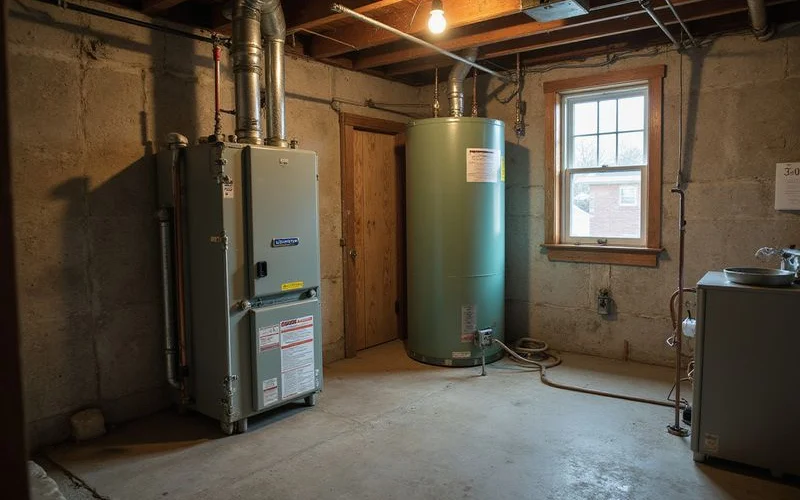
We caution owners that hiring a manager does not fix a backlog of aging building components. The property might need a new sewer line or windows. Those massive capital expenditures come due regardless of who collects the monthly rent.
Our local contractors report that a standard 96% AFUE gas furnace replacement in Minnesota runs between $4,800 and $8,500 in 2026. Upgrading an entire HVAC system can easily push costs past $12,000. A manager will happily schedule the installation, but the invoice comes straight to your inbox.
Our advisors recommend keeping a close eye on your CapEx reserve. Compare expected maintenance costs against your annual net rental income. A failing roof might consume three years of profit.
Our perspective is that selling the asset makes more financial sense in these heavy-repair scenarios. You should analyze these numbers before signing any long-term management agreements. Selling before major systems fail protects your hard-earned equity.
Licensing, Inspections and Local Rules
We find that local regulations heavily dictate rental profitability, and a manager can only handle the paperwork. Saint Paul enforces strict rent caps that shape your long-term returns. The city’s Rent Stabilization Ordinance limits standard residential rent increases to just 3% annually.
Our team closely watches these policies, as tenant protection rules add strict notice requirements for any changes. You can petition the city for a self-certification increase up to 8%, but the process requires detailed justification. Read exactly how rent stabilization affects selling a rental for a deeper explanation.
Our inspectors also remind owners about the strict Fire Certificate of Occupancy program. Saint Paul grades buildings on a point system based on safety violations. These grades determine your inspection frequency:
- Class A: Six-year inspection cycle for buildings with minimal issues.
- Class D: Mandatory annual inspections for properties with heavy violations.
Our experience shows that compliance costs add up fast, even with a professional handling the visit. You still pay for the required repairs to maintain the certificate. Every violation fix comes directly out of your cash flow.
Questions to Help You Decide
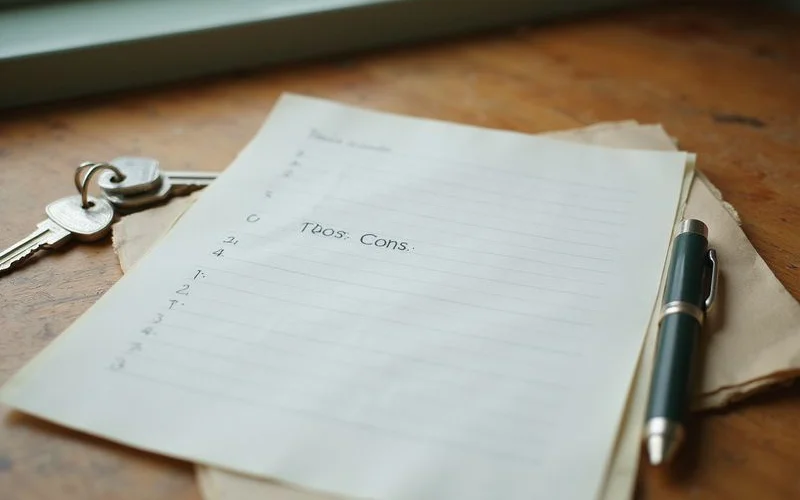
We encourage landlords to treat their property as a business and run the numbers objectively. Asking a few difficult questions helps clarify whether you should keep the asset or cash out. The choice often comes down to comparing your current hassle against alternative investment returns.
Our financial partners suggest comparing your rental’s net yield to risk-free options like a 5% Certificate of Deposit. A solid pros and cons list provides immense clarity. Review this checklist to assess your current situation:
- After subtracting an 8% to 12% management fee, routine repairs, and CapEx reserves, what does the property actually net each year?
- What major mechanical replacements, like a $6,000 furnace, are coming due in the next five years?
- Would the equity serve you better sitting in a retirement account, another home, or funding family needs?
- Do you genuinely want to own real estate long-term, or are you ready to completely step away?
- How do you feel about managing the Saint Paul 3% rent cap and upcoming local regulatory changes?
Our specialists advise writing down your answers before making any large financial commitments. You need total confidence in your next step. Clear answers prevent expensive mistakes later.
A Middle Path
We sometimes see landlords try professional management for a year before making a final choice on selling. This trial run is perfectly reasonable if you carefully review the contract terms. Standard property management agreements often lock you in for twelve full months.
Our lease analysts warn that some companies charge a cancellation fee equal to a full month of rent if you leave early. Always ensure your agreement allows you to exit without massive financial penalties. Getting a written as-is cash offer first provides a clear baseline before you commit to anything.
Our team partner, Ryan, can prepare that exact outline for your Saint Paul rental. He reviews your current leases and security deposits to show you what selling looks like. You have absolutely no obligation to accept the offer.
We know that clarity is the best tool for an overwhelmed property owner. Having hard numbers on both sides makes the final decision much easier. Reach out today to explore your options and find the path that fits your life.
Conclusion
We hope this breakdown gives you the confidence to make an informed choice about your property. Managing a rental should benefit your financial future, not drain your daily energy.
A clear plan changes everything.
Our team is ready to help you analyze your specific situation. Request your free as-is property valuation today to see exactly where you stand.
Take control of your investment strategy and reclaim your time.
This guide is general information for Saint Paul and Minnesota sellers, not legal, tax or financial advice. Rules change, so confirm current requirements with the official source or a qualified professional.