
Can You Sell a Rental Without Removing Tenants?
Yes, selling a rental property with active leases is completely legal and highly common.
Our professional service team regularly helps owners complete these specific sales. Many local investors actually hunt for occupied properties to avoid the immediate 30-to-60-day vacancy loss of turning over a unit. Under Minnesota law, a fixed-term lease automatically transfers to the new owner, meaning the buyer inherits both the rental income and the existing terms.
Selling a tenant-occupied property in Saint Paul does introduce a few extra administrative steps. You will need to manage specific paperwork, follow strict notice requirements, and maintain tenant cooperation. We are going to break down the exact documentation buyers expect and outline a clear communication strategy. For a broader look at the local market, see our comprehensive guide on how to sell a rental property in Saint Paul.
Gather the Paperwork Buyers Expect

When you sell a house with tenants in St Paul, buyers expect a complete financial and legal snapshot of the property, including leases, rent rolls, and compliance certificates. We advise sellers to organize these files before listing to prevent delays during due diligence. A missing document can easily stall a closing or cause an investor to walk away entirely.
| Document | Why a buyer needs it |
|---|---|
| Current leases and amendments | To know the exact terms they are taking on |
| Rent roll | Units, rents, due dates, lease end dates, and deposits at a glance |
| Security deposit records | Required by MN Stat. 504B.178 for closing transfers |
| Estoppel certificates | Tenant confirmation of the rent roll |
| Fire Certificate of Occupancy | Required by Saint Paul DSI for non-owner-occupied units |
| Utility and expense records | To calculate accurate net operating income |
An estoppel certificate is a short form each tenant signs confirming their current rent, deposit balance, lease dates, and any side agreements. It protects both the seller and the buyer from unexpected surprises, like a disputed prepaid month that is not recorded on the official rent roll.
Our local buyers also heavily scrutinize the Saint Paul Fire Certificate of Occupancy (C of O). The city’s Department of Safety and Inspections requires this active certificate for all residential buildings that are not owner-occupied. Failing to have a current C of O will throw a major financing wrench into your transaction.
Access and Notice for Walkthroughs
Minnesota landlords must provide reasonable notice before entering a tenant’s home for showings or inspections. Minnesota Statute 504B.211 specifically governs a tenant’s right to privacy during a sale. The law mandates advance notice for any non-emergency entry, and local courts generally define reasonable as at least 24 hours.
We strongly recommend scheduling showings in consolidated blocks to minimize the impact on your renters. A cash buyer evaluating a property typically only needs one or two visits total. If a landlord violates the 24-hour notice statute, tenants can legally claim up to a $100 civil penalty per violation or demand a rent reduction.
Keep these practical guidelines in mind for walkthroughs:
- Give notice in writing with a specific date and time window.
- Schedule at reasonable daylight hours and keep visits brief.
- Limit the total number of visits by asking buyers to combine tours with their contractors.
- Respect the personal belongings and privacy of the occupants.
Our experience shows that respectful scheduling is the easiest way to keep a transaction moving smoothly.
Communicating With Tenants

Open, honest communication helps ease tenant anxieties about losing their home or facing sudden rent hikes. Tenants predictably worry when they find out their rental is going on the market. A brief conversation ahead of the official notice goes a long way toward securing their cooperation.
We suggest explaining clearly that their current lease continues unchanged and their security deposit remains fully protected. Letting them know exactly how and when they will meet the new owner removes a lot of unnecessary stress. A cooperative tenant keeps the property looking clean and makes access significantly easier for prospective buyers.
Saint Paul enforces specific tenant protection rules that may influence your timeline. You should always verify the city’s current S.A.F.E. Housing requirements before issuing any formal notices of sale or changes in management. Our property specialists find that transparency reduces the risk of retaliatory complaints that can derail a sale.
What Happens at Closing?
At closing, the buyer officially assumes the landlord role, and all financial balances are settled between parties. We handle a specific checklist of tenant-related transfers alongside the standard title and deed paperwork. The process requires precise mathematical prorations to ensure everyone gets their fair share of that month’s income.
- Lease assignment. Existing leases are legally assigned to the buyer.
- Deposit transfer. Security deposits are credited to the buyer. Minnesota law currently requires landlords to pay a 1% simple, non-compounded interest rate on these deposits for 2026, which must be calculated into the final transfer. Our guide on leases, security deposits and notices explains this exact step.
- Prorations. Rent collected for the month of closing is divided. If you close on the 15th, you credit the buyer for the remaining days of that month.
- Notice to tenants. Renters receive formal documentation with the new owner’s contact information and rent payment instructions.
- Keys. Copies of all unit keys, specific mailbox keys, and security codes transfer to the buyer.
Our closing coordinators always double-check these deposit calculations to prevent post-sale disputes. Missing that 1% interest calculation is a common oversight that frustrates buyers later.
Duplexes and Small Multifamily
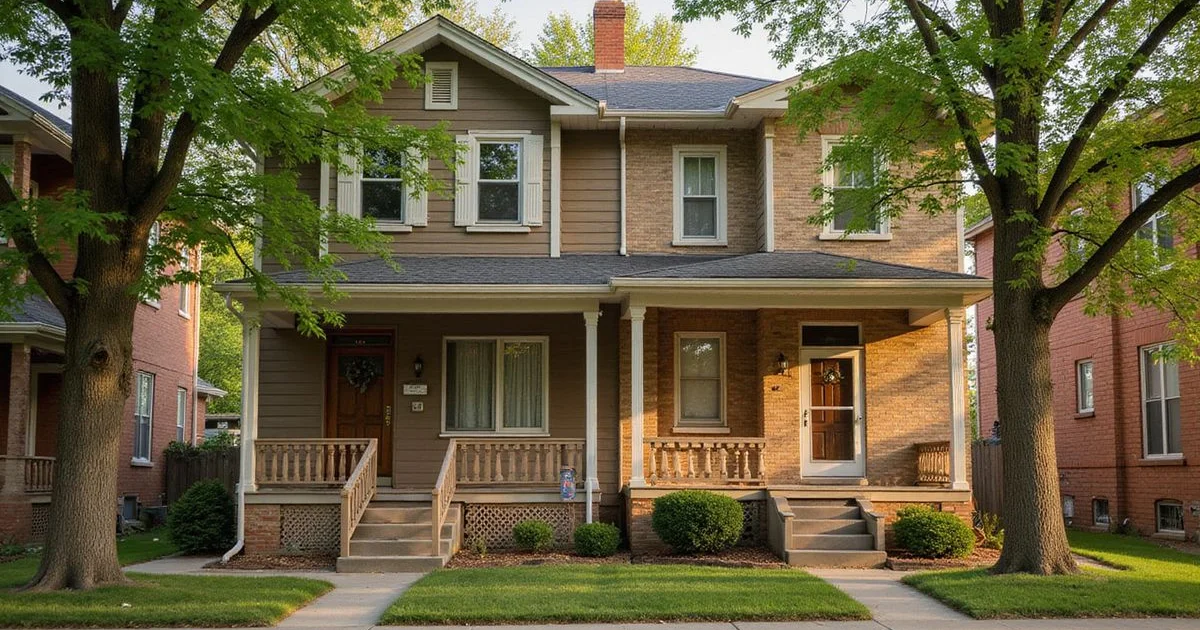
If you plan to sell a duplex with tenants in Saint Paul, the transaction often involves a mix of owner-occupants and investor buyers. Many tenant-occupied sales in Saint Paul feature duplexes, which are highly sought after in neighborhoods like Hamline-Midway, Merriam Park, and Frogtown.
We see a lot of buyers who want to live in one half of a duplex while renting out the other to offset their mortgage. If one unit needs to be vacant for the new owner, the transaction combines standard sales steps with formal lease termination notices.
Local Market Insight: Buyers using owner-occupied financing, like an FHA loan, typically must move into the vacant unit within 60 days of closing. You must factor this strict timeline into your lease termination strategy.
Properties like small multifamily buildings are generally evaluated based on their current cap rates and active rental income. You should verify that the property fits current buying criteria before planning a direct sale. Ask Ryan for a specific valuation based on your current rent roll.
If you are unsure whether to list the property now or wait for an impending vacancy, read our detailed comparison on whether to sell your rental now or wait for the lease to end? to make the most profitable decision.
This guide is general information for Saint Paul and Minnesota sellers, not legal, tax or financial advice. Rules change, so confirm current requirements with the official source or a qualified professional.