
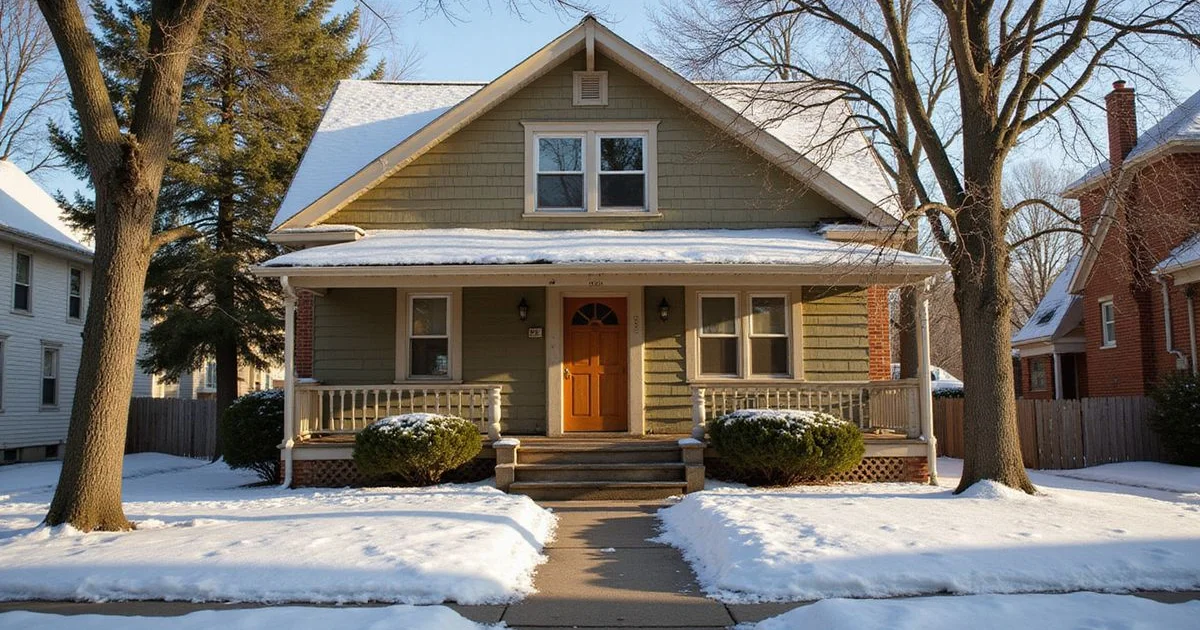
We constantly see local property owners underestimate the true cost of holding a vacant house. An empty house feels like it costs nothing because nobody is actively using it.
Our professional service team has learned that staggered bills obscure the true total expense. In reality, a vacant property quietly bills you every single month for:
- Rising Ramsey County property taxes
- Specialized vacant home insurance policies
- Winter utility costs to prevent freeze damage
Adding them up in one place often changes how people think about keeping, repairing, or selling their asset. For a comprehensive look at your choices, review our guide on how to sell a vacant house in Saint Paul.
We built this specific walkthrough to give you real data, not made-up averages.
Every house is different, so this guide gives you a worksheet to fill in with your own numbers.
Why Count the Cost of Holding a Vacant House at All?
Counting the cost of holding a vacant house prevents you from losing thousands of dollars to unseen expenses while a property sits idle. Our team recommends calculating these numbers immediately because local expenses are rising rapidly.
Ramsey County homeowners face proposed back-to-back 8.25% property tax increases moving into 2026. This stark reality means a vacant property drains your bank account much faster today than it did just two years ago. We find that ignoring these numbers often leads to forced, hasty sales later.
The Monthly Worksheet
The monthly worksheet provides a clear, itemized breakdown of your exact vacant house monthly costs. We use this specific checklist with every property to ensure no expense slips through the cracks.

| Cost | Where to find it | Your monthly amount |
|---|---|---|
| Property taxes | Ramsey County tax statement (annual ÷ 12) | $______ |
| Insurance | Your policy; a vacant policy may cost more | $______ |
| Electricity | Utility bill | $______ |
| Heat (gas or oil) | Utility bill; higher in winter | $______ |
| Water and sewer | City utility bill | $______ |
| Lawn care | Service quote or your time | $______ |
| Snow and ice removal | Service quote or your time | $______ |
| Regular checks | Someone’s time or a paid service | $______ |
| Mortgage payment | Your statement | $______ |
| Vacant building fee | DSI, if registered (annual ÷ 12) | $______ |
| Total per month | $______ |
Ramsey County Tax and Insurance Updates
Your Ramsey County tax statement provides the baseline for your fixed monthly expenses. We have seen local effective property tax rates hover around 1.21%, which means a median home valued at $326,000 generates nearly $4,000 in annual taxes.
Standard insurance policies often suspend coverage after a home remains empty for 30 to 60 days. You will need a specialized vacant home insurance policy to maintain protection.
Our research shows the average vacant home insurance cost can be 50% higher than a standard occupied homeowner policy. This premium reflects the higher risk of undetected damage or vandalism.
Navigating Saint Paul Utilities and Maintenance
Xcel Energy electric bills and CenterPoint Energy gas bills will fluctuate wildly depending on the season. We highly recommend keeping the winter thermostat no lower than 55 degrees to prevent frozen plumbing. Some historic Saint Paul properties from the early 1900s can cost between $300 and $450 a month to heat during January and February.
You must also factor in the physical labor or paid services required to maintain the exterior. Our team factors in snow removal quotes to get an accurate picture. Saint Paul rules require sidewalks to be shoveled within 24 hours of a snowfall, and grass must stay under eight inches tall.
The Saint Paul Vacant Building Registration Fee
The Department of Safety and Inspections (DSI) enforces strict rules and assesses mandatory fees for empty properties. We always warn owners that if a property falls into a registered vacant status, the city will assess an annual fee. This fee easily exceeds $2,000 for Category II or Category III vacant buildings.
The city divides these annual charges by 12 on your worksheet to show the true monthly impact. Our experts advise checking your DSI status immediately to avoid surprise bills.
Multiply the total by the number of months you expect to hold the house. The seller tools page has a calculator that does this for you.
The Costs That Don’t Show Up on a Bill
Unpredictable costs emerge from sudden property damage, administrative citations, and insurance gaps rather than scheduled monthly invoices. These hidden expenses often eclipse your regular holding costs if left unmanaged. We have watched minor issues spiral into massive repair bills in a matter of days.
The worksheet captures the predictable costs. The unpredictable ones can be much bigger:
- Freeze damage. A burst pipe in an empty house can run for days before anyone notices. Water remediation in Ramsey County frequently costs upward of $5,000 if drywall and flooring are destroyed.
- Break-ins and vandalism. Empty homes are primary targets for copper theft and property damage. We see unsecured properties attract unwanted attention quickly.
- Insurance gaps. Standard policies often drop coverage for vandalism or water damage after a 30-day vacancy period. An uncovered loss could wipe out your entire equity.
- City orders. Overgrown yards, unshoveled walks, or unsecured doors will bring nuisance complaints and charges. Our staff regularly sees administrative citations added directly to property tax assessments.
- Vacant building registration. If the house qualifies, DSI requirements trigger mandatory code compliance reports. You cannot sell a Category II or III property without specific city approvals.
Owner Responsibilities in Saint Paul
Saint Paul property owners must maintain exterior upkeep, secure all entry points, and comply with all municipal codes regardless of occupancy. You cannot ignore a property simply because you moved out.

We remind every client that the city holds the deed holder fully accountable for the parcel. Even if nobody lives there, owners remain responsible for keeping the property secure, the yard maintained, and sidewalks clear of snow and ice under city rules.
If the house becomes a registered vacant building, strict DSI requirements apply. Category II and Category III buildings require detailed cost estimates from licensed contractors and proof of financial capability before any repairs begin.
Our team finds that managing these sale review programs takes significant time and capital. For full details on these specific compliance steps, see selling a registered vacant building.
Putting the Number to Work
Putting your total number to work allows you to compare your exact expenses against different sales strategies. You can make an objective choice once the emotional burden is replaced by hard data on the cost of holding a vacant house. We always encourage owners to map out a clear timeline for their asset.
Once you know your monthly total, compare three distinct paths:
- Keep holding: monthly total × months until you will use or rent it
- Repair and sell: repair costs + monthly total × months to repair and sell + selling costs
- Sell as-is: an offer’s net, with holding costs ending at closing
Sometimes holding makes perfect sense, for example, if a family member will move in soon. Often, seeing the stark monthly figure makes the decision much clearer. We find that many owners prefer a clean break once they calculate the real expense of carrying the property through another Minnesota winter.
If you would like a written as-is offer to put in column three, Ryan can provide one after checking the property’s city status.
This guide is general information for Saint Paul and Minnesota sellers, not legal, tax or financial advice. Rules change, so confirm current requirements with the official source or a qualified professional.