
Already Moved? You Can Still Sell Smoothly
Our team frequently sees homeowners juggling two properties at once. Moving before your property sells is incredibly stressful. You might be settling into a new city, but your old Saint Paul home sits completely empty.
Deciding to sell house after moving away feels complicated, but the process is highly straightforward today. Everything from showings to the final signature can happen at a distance. Let us show you exactly how to manage access, protect the property, and close from miles away.
For timing a sale around a move more broadly, see our guide to sell your house for a relocation in Saint Paul. If the move is a downsizing, downsizing from a family home in Saint Paul covers sorting belongings and choosing how to sell.
Access and Walkthroughs
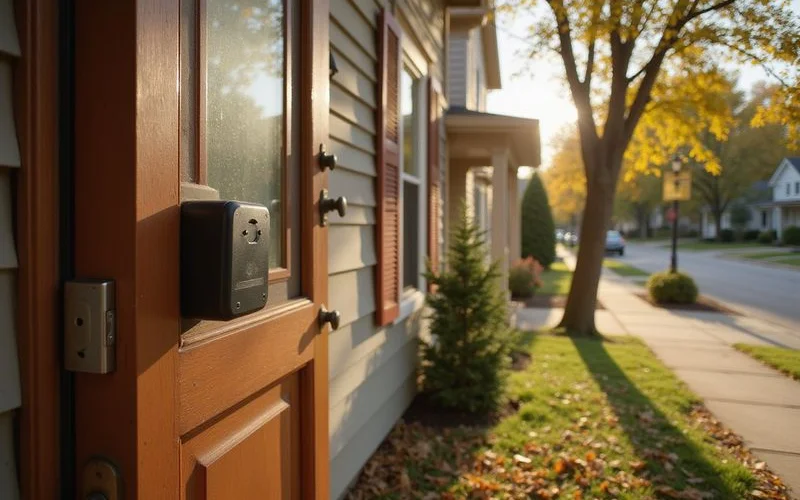
Our clients often worry about how buyers will get inside an empty property. You need a secure, reliable way to grant entry without handing out physical keys. Modern access technology makes this incredibly easy.
We recommend upgrading beyond a basic combination lock. The Ultraloq Bolt Fingerprint, named a top 2026 choice by PCMag, provides excellent digital access tracking. Real estate professionals also frequently use the SentriGuard lockbox. This heavy-duty option withstands up to 3,000 pounds of force and grants instant Bluetooth access to approved agents.
Here is how you can manage property access from afar:
- Smart lockboxes: Use a digital keybox like SentriGuard to let approved people in automatically.
- Local contact: A trusted neighbor or relative can check the house weekly and handle small tasks.
- Video walkthroughs: Always ask your agent for a recorded walkthrough so you can verify the home’s condition.
Keep a simple log of who visits and when. This tracking gives you peace of mind while you are living elsewhere.
Utilities and Insurance on an Empty Home
Leaving a house vacant introduces a whole new set of financial risks. Standard policies rarely cover empty properties indefinitely.
We always warn sellers about the standard 30-day rule. Most regular homeowners insurance policies stop or severely limit coverage after 30 to 60 days of vacancy. You must notify your insurer and switch to a vacant home insurance policy immediately. Vacant home insurance averages about $4,202 annually in 2026 according to AmeriSave. This is significantly more than the $2,801 average for a standard occupied policy, because empty houses face three times the risk of vandalism.
| Item | What to do |
|---|---|
| Heat | Keep it on at a safe minimum, or winterize professionally |
| Electricity | Keep on for lights, sump pump and walkthroughs |
| Water | On if heated; drained if winterized |
| Insurance | Tell your insurer it’s vacant; ask about a vacant policy |
| Snow and lawn | Arrange service; owners stay responsible |
| Forward it so nothing piles up |
Winter brings extra risk. Our guide on protecting an empty house through a Minnesota winter covers it in detail.
Remote Closing Options

Getting to the closing table does not require a flight back to the Midwest. You can sign your final paperwork from any location. For anyone needing to sell house remotely Minnesota title companies offer several digital solutions.
We guide our sellers through several different closing paths. Ask the title company early which options they offer:
- Mail-away closing: Documents are sent to you directly. You sign them in front of a local notary and overnight them back.
- Remote online notarization (RON): Minnesota Statute 358.645 legally permits remote signings. You can sign electronically on a secure video call using platforms like eClosing.com. The notary will verify your identity using knowledge-based authentication and credential analysis.
- Power of attorney: A properly drafted POA may let someone else sign on your behalf. Check with your attorney and the title company first to confirm this is allowed.
Proceeds are usually wired directly to your bank account after closing. If you opt for a remote closing sell house logistics become much easier.
Protect Yourself From Wire Fraud
Cybercriminals aggressively target real estate transactions involving remote buyers and sellers. You must stay vigilant when handling large sums of money online.
We monitor transaction security very closely. According to the FBI Internet Crime Complaint Center, real estate wire fraud losses skyrocketed to $275.1 million in 2025. Scammers are now using artificial intelligence and business email compromise to steal your proceeds. The American Land Title Association warns that these criminals can perfectly mimic a title agent’s email address and voice.
Follow these strict rules to keep your money safe:
- Always verify by phone: Call your title company at a verified, trusted number before sending any money.
- Ignore email changes: Never act on an emailed change to wiring instructions, as this is the most common red flag.
- Act quickly: If you suspect fraud, contact your bank and the FBI immediately to freeze the transfer.
Your financial security is a top priority during this final step.
Your Remote Selling Checklist
Our remote sellers find immense value in having a clear plan. Managing a property sale from another state just requires a bit of organization. You can successfully finalize your transaction with confidence.
Here is your essential checklist to finish your sale:
- Set up access: Install a smart lockbox or assign a local contact.
- Confirm utilities: Secure heat, vacant home insurance, and snow removal.
- Gather documents: Locate your deed, tax statement, mortgage information, and any TISH report.
- Ask the title company about remote signing and RON platforms.
- Confirm wiring instructions by phone using a trusted number.
Ryan can coordinate walkthroughs, documents and scheduling with you remotely. He will give you a written outline you can review on your own time. Reach out today to start planning your efficient remote sale.
This guide is general information for Saint Paul and Minnesota sellers, not legal, tax or financial advice. Rules change, so confirm current requirements with the official source or a qualified professional.