

We see how the process of downsizing, selling a family home in Saint Paul, and relocating after decades feels like a massive undertaking. The practical tasks of managing a sale often collide with the emotional weight of sorting a lifetime of memories. A clear sequence of events makes this transition much more manageable.
Our team of professional service experts has organized these specific actions into a simple blueprint.
This guide breaks down the five crucial steps for transitioning into a condo, smaller house, or downsizing to senior living in Saint Paul. For timing a sale around any move, see sell your house for a relocation in Saint Paul.
Step 1: Decide the Order of the Move and the Sale
We always ask clients one primary financial question right away. Do you need the home sale proceeds to pay for your next residence? If you do need those funds, the sale must close before or right alongside your new purchase.
Our review of local 2026 data shows Saint Paul homes spending an average of 40 to 45 days on the market. This timeframe means you cannot leave a sale to the last minute if your next move depends on the cash. If you have flexibility, you can move first and list an empty house later.
| Strategy | Advantage | Challenge |
|---|---|---|
| Sell Before Moving | Proceeds are ready for your next home | Requires a tight timeline or temporary housing |
| Move Before Selling | Less pressure on the closing date | You must maintain insurance and utilities on an empty house |
We often use a written post-closing occupancy agreement to simplify tight timelines. This arrangement lets you stay in the home for a short time after closing so you only move once. You avoid paying two sets of housing costs for an extended period.
Step 2: Sort Belongings in Stages
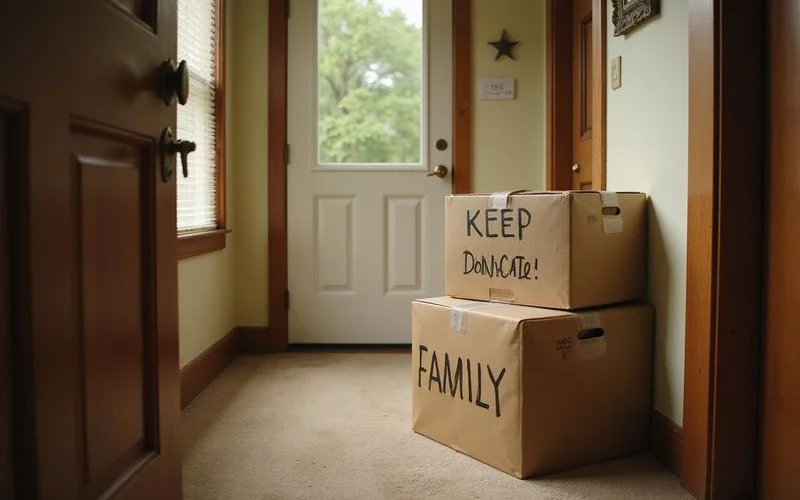
We find that sorting takes much longer than anyone initially expects. A systematic approach prevents exhaustion and keeps the project moving forward. You should break this massive task into smaller, manageable pieces.
Our suggested method focuses on measuring the new space first to know exactly what furniture fits. Start with low-emotion rooms like the basement or garage to build momentum. The most effective sorting process relies on these clear steps:
- We encourage letting children choose items before scheduling a donation pickup.
- Twin Cities Habitat for Humanity ReStore provides free furniture pickups in the metro area.
- Budgeting for disposal is smart since local full-truck junk removal costs between $600 and $800.
- Our preferred sorting system uses four simple labels for keep, family, donate, and remove.
- Secure important papers, photographs, and heirloom jewelry in a lockbox immediately.
- Avoid opening boxes of sentimental items until the practical areas are completely finished.
We highly recommend asking about alternatives if you prefer not to empty the entire property yourself. You can leave remaining items behind under the written terms of an as-is sale. See selling without a full cleanout for more details.
Step 3: Involve Family, but Keep the Decision Yours
We understand that family members offer essential help with logistics and moral support. They might also hold strong opinions about what should happen to the property. Clear communication prevents misunderstandings and keeps your timeline on track.
Our best advice is to name one specific person as your primary helper. This single point of contact reduces confusion when multiple relatives want to assist. You should share your overall plan and target dates as early as possible.
We encourage the use of virtual tools when adult children live out of state. Regular video calls allow you to show progress without a flurry of confusing text messages. If you move into your new home before the sale closes, the guide to selling a house after you have moved covers remote keys, walkthroughs and signing. The most successful coordination strategies include these straightforward actions:
- Our team suggests using a shared Google Keep list to track claimed items in real time.
- Set a firm deadline for relatives to collect their requested belongings.
- Assign specific local research tasks to out-of-town helpers.
- We recommend protecting important papers and heirlooms before bringing anyone else into the sorting process.
- Maintain the final say on all sale and donation decisions to prevent conflicts.
- Keep everyone focused on the main goal of making your transition smooth.
Step 4: Choose How to Sell

We see two primary paths for homeowners preparing a property for the market. The traditional listing route typically brings a higher final number for a well-kept house. This option requires updates, professional staging, and accommodating buyer showings while you pack.
Our local market data shows the median home price in Saint Paul sitting around $295,000 in late 2026. You must weigh the out-of-pocket cost of updating older systems against any potential price bump. When you need to sell house and downsize, an as-is sale skips the repairs entirely and lets you schedule closing directly around your move-in date.
We know the clear trade-off is that the final sale price will reflect the home’s unrenovated condition. Many long-held homes feature dated kitchens, older bathrooms, or aging HVAC systems. The repair first or sell as-is worksheet helps compare the cost and effort of preparing the home with the likely difference in price.
Step 5: Line Up the Dates
We always tell clients to work backward from their confirmed move-in date. Map out the closing date, possession date, professional movers, and your final sorting days. Building a cushion into this timeline protects you against unexpected delays during the transition.
Our team discusses your preferred dates at the very start of the process. The title company officially confirms all payoffs before anyone locks in a target closing date. Local moving companies often book up weeks in advance during the busy Minnesota summer season.
We recognize that residents in neighborhoods like Highland Park and Como have lived in their spaces for decades. Taking the time to listen first ensures the process matches your specific goals for downsizing, selling a family home in Saint Paul, and relocating. Reach out to request a clear written outline to review with your family, without any pressure to decide immediately.
This guide is general information for Saint Paul and Minnesota sellers, not legal, tax or financial advice. Rules change, so confirm current requirements with the official source or a qualified professional.