

Is Probate Always Required?
Our team can confirm that probate is not always required. It depends entirely on how the home was owned when the person died.
Some ownership arrangements pass the house automatically to another person outside the court process.
We frequently see families stalled at the closing table because they misunderstood this distinction.
Minnesota law treats real estate differently than personal bank accounts. A simple small estate affidavit cannot be used to transfer a physical house.
Our guides are designed to help you figure out which situation applies to your property. Knowing your status is the first question to answer because only a legally authorized person can sign a purchase agreement.
For the bigger picture of managing this process, you can explore how to sell an inherited house in Saint Paul.
We provide this general information to help you prepare, but it is not a substitute for legal advice. An estate attorney can confirm exactly what applies to your family’s unique situation.
Transfers That Usually Avoid Probate

Property transfers outside of probate when a specific legal mechanism was put in place before the owner’s death. Our network of professionals sees three main arrangements that bypass the county court system.
Certain deed structures allow the house to pass directly to a named beneficiary. You will save significant time and money if one of these methods was used.
Joint tenancy
We always advise clients that a surviving joint tenant generally becomes the sole owner immediately. This applies if the home was originally owned in joint tenancy with right of survivorship.
The property never enters the deceased person’s estate for probate. Our preferred title companies require specific paperwork to clear the public record.
Title is typically cleared by recording a certified death certificate along with a Minnesota Affidavit of Identity and Survivorship. You must file this Form 50.2.2 at the County Recorder’s Office where the property is located.
We want to note that counties like Hennepin and Ramsey charge a $46 recording fee for this process. The survivor can legally sell the house once that document is on record.
Transfer on death deed (TODD)
State law allows a transfer on death deed to move real estate directly to a named beneficiary. Our agents notify families that a validly recorded TODD completely bypasses a judge’s involvement.
A major hurdle involves the state Medicaid recovery program. You must obtain a Medical Assistance Clearance Certificate from the local county human services department.
Our title partners will not close a TODD property sale without this specific DHS-5893A form on file. This certificate proves the state does not have a lien against the property for past nursing home care.
The beneficiary can confidently list the property for sale once these documents are cleared.
Trust-owned property
Our team often handles sales where the house was held in a revocable living trust. The successor trustee usually has authority to sell the real estate under the trust’s terms.
Probate is completely avoided in this specific scenario. We recommend having a Certification of Trust prepared by a lawyer.
This document is necessary to prove your selling authority to the buyer’s title company.
When Probate Is Usually Needed
If the house was in the decedent’s name alone, with no TODD and no trust, probate is usually needed. Our timeline for an informal Minnesota probate typically ranges from six to twelve months.
The state enforces a strict four-month creditor claim period that cannot be bypassed. The court appoints a personal representative to manage the estate during this time.
We advise budgeting for the state’s flat base filing fee of $310. Most counties add a law library fee that brings the total initial court cost to around $365.
The court will issue specific documents confirming the representative’s authority to act. Our agents look for two specific types of court authorization.
- Letters testamentary are required when there is a valid will.
- Letters of general administration are issued when there is not a will.
We always verify that the personal representative has these letters in hand before listing. A clear chain of authority is required to pass a clean title to the new buyers.
The personal representative can sign a purchase agreement and deed on behalf of the estate. Our quick reference table below summarizes who signs the sale documents based on the ownership type.
| How the home was owned | Probate usually needed? | Who signs the sale |
|---|---|---|
| Joint tenancy (survivor living) | No | Surviving joint tenant |
| Transfer on death deed | No | Named beneficiary |
| Revocable trust | No | Successor trustee |
| Sole name, no TODD or trust | Yes | Personal representative |
| Tenancy in common | Often, for the decedent’s share | Co-owners plus personal representative |
When Should You Call an Attorney?
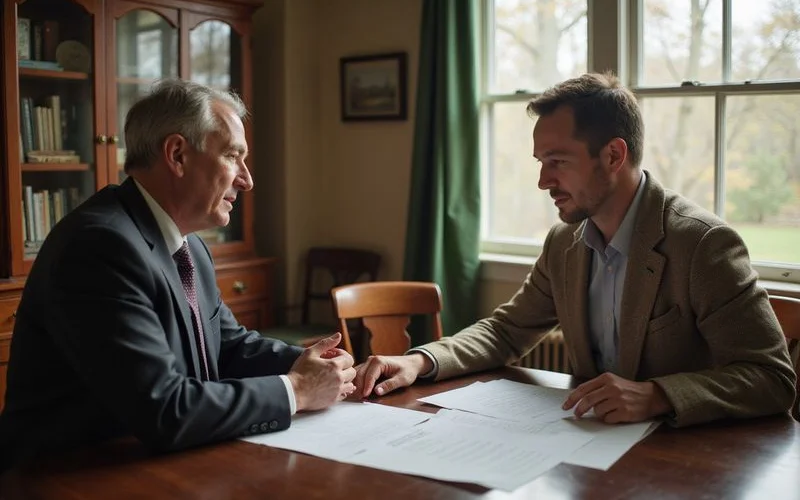
You should talk to a qualified real estate or probate attorney if your situation feels complicated. Legal fees in the Twin Cities typically range from $300 to $450 an hour for estate work.
We suggest consulting a lawyer if any of the following apply to your case.
- A valid will is missing, or family members might contest the existing one.
- Heirs disagree about selling the property or about the asking price.
Our team also recommends legal help if the owner lived outside Minnesota but owned a Saint Paul home.
- Medical Assistance benefits, significant debts, or contractor liens are attached to the estate.
- You are simply not sure how the property was titled before the death.
We know an attorney can confirm your legal authority quickly. This prevents a pending home sale from stalling at the title company.
A stalled closing can cost you buyers in a competitive market.
What Happens Next?
Our team finds that once you know who can sign, the sale can move forward like any traditional transaction.
You must establish this foundation before listing the home on the market. Gathering the required certificates and court letters takes time.
We recommend starting this documentation process as early as possible. If probate is needed, our guide to Ramsey County probate and selling a house walks through the exact steps and timing.
Ryan always confirms authority early in the conversation with new clients. We do this so nobody spends time or money on a deal the estate cannot legally complete. Start by locating the original property deed to determine your best path forward.
You will save yourself immense stress by having the facts straight from day one.
This guide is general information for Saint Paul and Minnesota sellers, not legal, tax or financial advice. Rules change, so confirm current requirements with the official source or a qualified professional.