

Why Research Your Own Property First?
As a professional service team, we know that stepping into a real estate transaction blind often leads to unfavorable terms. You have probably noticed how market dynamics constantly shift.
Data from early 2026 shows that cash sales still account for over 31 percent of U.S. home purchases.
Our team uses this high volume of cash activity as a reminder that sellers need solid facts to evaluate fast-moving offers. Good information speeds up any evaluation and prevents last-minute surprises.
We have seen property owners get blindsided by an old open permit or an unexpected historic designation. Whether you list traditionally or explore a direct sale through the homepage overview, conducting initial research takes very little time.
Let’s look at the exact data you need to research property before selling Saint Paul real estate, where to find it, and how to organize it.
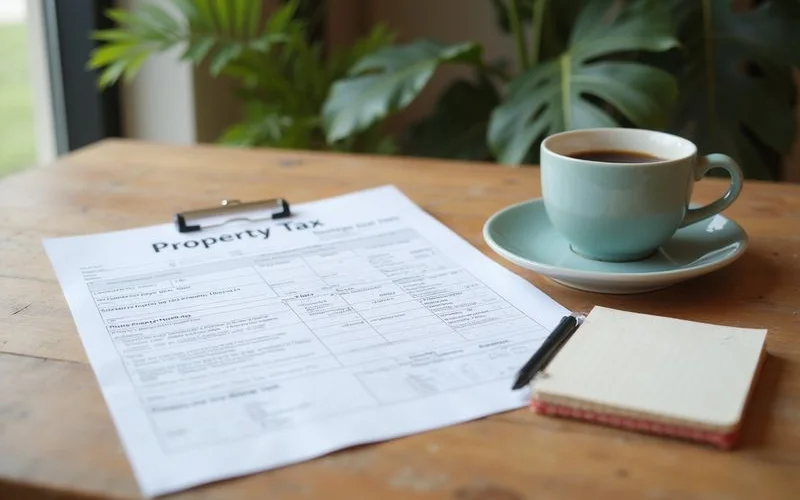
We recommend building a simple fact sheet. It should detail where the property sits, what the county says about it, what the city has on file, and what you know from living there.
The goal is not to become an appraiser
You are gathering facts, not setting a price. The facts make any offer, from any buyer, easier to evaluate.
What Should You Look Up?
You need to verify your local tax records, zoning district, historic status, and open permits. These four areas dictate your property’s legal standing and market value.
1. Ramsey County property tax and value
The Ramsey County property tax and value lookup provides your parcel ID, estimated market value, tax history, and basic lot details. You will want to verify the year built, square footage, and any special assessments. Our specialists suggest checking this database every spring, as the county mails updated property valuation notices and tax statements during the last week of March.
Differences between county records and reality happen frequently. A finished basement or an added bathroom might not appear on the official profile if permits were missed. We always tell clients that an accurate Ramsey county property lookup is your baseline for comparing any offer.
2. Municipality and district
Postal codes do not follow exact city or neighborhood lines. A “Saint Paul” mailing address can easily sit in a neighboring city, and the reverse happens just as often. Our local research shows that using the official Saint Paul address lookup confirms your exact municipality and which of the 17 planning districts applies to your home.
This detail dictates the zoning rules that govern your lot. In late November 2023, Saint Paul updated its zoning code to essentially end traditional single-family zoning across former RL, H1, and H2 districts. We advise property owners that a buyer might now value a lot for its potential to hold up to six units, making an accurate district check highly relevant to your sale price.
3. Historic designation
Certain neighborhoods sit in designated historic districts or carry individual heritage status. Saint Paul boasts nine locally designated historic districts, including the Historic Hill District and Lowertown, along with over 75 individually designated properties. Our experience indicates that this status heavily restricts exterior renovations.
Buyers care about historic designation because any outside work requires review by the Heritage Preservation Commission. This extra regulatory step can delay a buyer’s timeline and increase their project costs. You should check historic designation by address rather than assuming your property is clear just based on its neighborhood name.
4. Permits and city status
A quick search of the city permit and property records reveals open permits, past work, and active orders. Unfinished permits lacking final inspections can easily complicate or delay a sale. Our closing coordinators know that title companies often flag these unresolved issues right before settlement.
If the home sits empty, you must check whether it is registered under the Department of Safety and Inspections (DSI) Vacant Building program. This registration triggers escalating annual fees, which can run from $2,459 to over $5,400 depending on the property’s condition. We warn sellers that a Category III vacant building cannot legally change hands until a Certificate of Code Compliance is issued, making this a critical detail to confirm.
| Lookup | What it tells you | Why it matters to an offer |
|---|---|---|
| Ramsey County value lookup | Assessed value, tax history, basics | A baseline and a fact check |
| Address lookup | City and district | Which rules and resources apply |
| Heritage Preservation | Historic designation | Exterior work review for buyers |
| Permit records | Open and past permits | Title and repair planning |
| DSI vacant buildings | Registration status | Requirements and timing |
What About Your Own Records?
Public records only tell half the story. Your personal paperwork fills in the gaps that municipal databases miss. Our advisors suggest gathering the following documents before speaking with any buyer:
- Your property deed and current mortgage statements.
- Recent insurance claims and past inspection reports.
- Receipts for major improvements, like a new roof or an upgraded furnace.
- A short list of known physical defects for your disclosure form.
Saint Paul also requires a Truth-in-Sale of Housing (TISH) evaluation for most single-family homes and duplexes before you even begin marketing the property. A helpful detail to keep in mind is that the only required repair for a Saint Paul TISH is usually an operational, hardwired smoke detector. Our team points out that having this evaluation done early gives a buyer complete transparency and speeds up final negotiations.
How Does This Help You Check an Offer?
Once you have the facts organized, you can ask buyers much better questions. Does the buyer’s description of the home match the official county record? Do the comparable sales they used look like your property in terms of size, age, and condition? Our specialists recommend verifying whether the buyer properly accounted for a local historic designation or an unresolved open permit.
Data from 2026 indicates that sellers typically accept a 9 to 11 percent cash buyer discount compared to what a financed buyer might pay. Understanding this average discount helps you judge whether a fast, cash transaction is actually fair. We provide a detailed breakdown in our guide on how comparable sales affect a cash offer, which shows exactly how buyers move from local comps to a final number.
Having a prepared fact sheet also helps you decide whether a direct sale makes sense for your situation. Check the buying criteria to see which factors are considered:
- Specific property types and zoning classifications.
- Current physical conditions and needed repairs.
- Specific locations and planning districts.
If your home aligns with these parameters, share your research with Ryan when you reach out. Our team will then explain how each item from your Ramsey county property lookup factors into the written proposal.
This guide is general information for Saint Paul and Minnesota sellers, not legal, tax or financial advice. Rules change, so confirm current requirements with the official source or a qualified professional.