
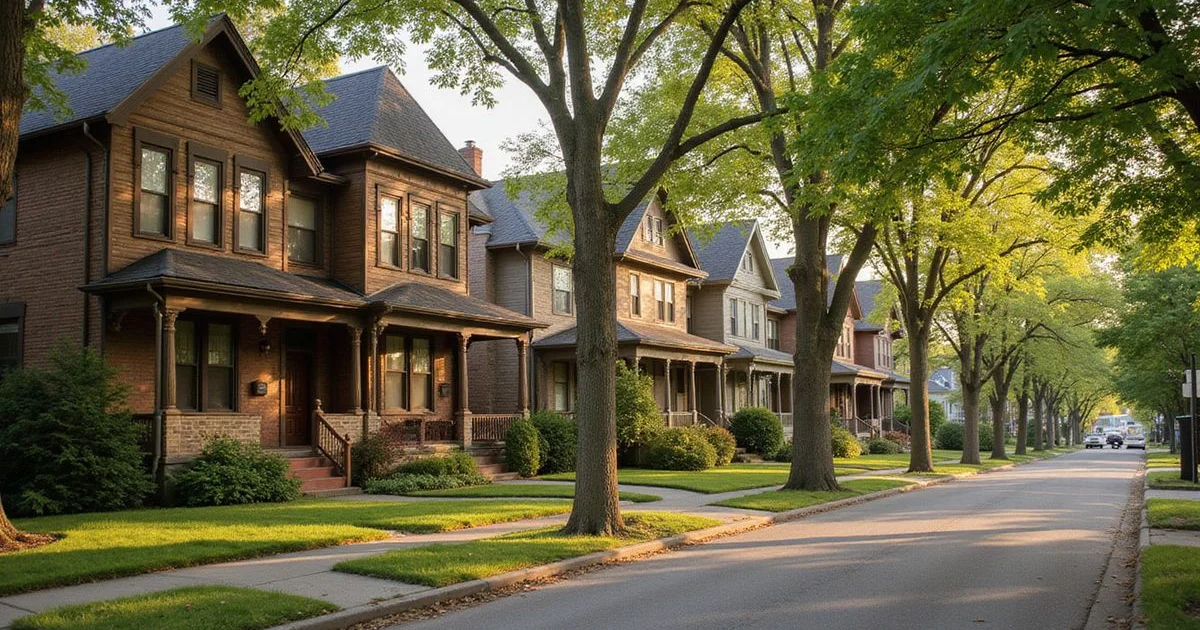
Why Does Historic Designation Matter When You Sell?
Historic designation legally restricts exterior modifications and adds a mandatory review process that impacts your sale timeline. We see sellers caught off guard by these rules every spring when selling a home in a Saint Paul historic district. The city oversees nine locally designated Heritage Preservation Districts, from Dayton’s Bluff to Lowertown.
This oversight directly dictates which pre-listing repairs you can authorize. Our experts recommend verifying your exact status before calling any contractors.
Saint Paul’s Truth-in-Sale of Housing inspection is generally disclosure-only. Historic properties face a separate layer of strict compliance.
We explain how this factors into an offer on our page detailing how to sell your house as-is in Saint Paul.
Step One: Verify by Address
Checking your specific property address with the Saint Paul Heritage Preservation Commission is the only way to confirm your status. We use the city’s online PAULIE permitting system to run this initial verification. Neighborhood boundaries frequently split blocks and create hidden compliance zones.
A house in the Summit Hill historic district might sit right on the dividing line. Our team often points out that Lexington Avenue literally splits the local rulebook. The exact street location dictates everything.
“Homes east of Lexington fall under the 1980 Historic Hill designation, while properties west of Lexington belong to the 1990 Summit Avenue West district.”
We always check the specific address because different guidelines apply to the exact same location. You cannot assume anything based on the neighborhood name alone.
The Summit Hill area page and West Seventh area page explain the local context. Our staff reviews these resources to understand the specific architectural history of each block.
What Does Heritage Preservation Review Cover?
The review process strictly regulates any exterior changes visible from the public right-of-way to preserve the district’s architectural integrity. We tell clients to expect scrutiny on everything from roof replacements to front door hardware.
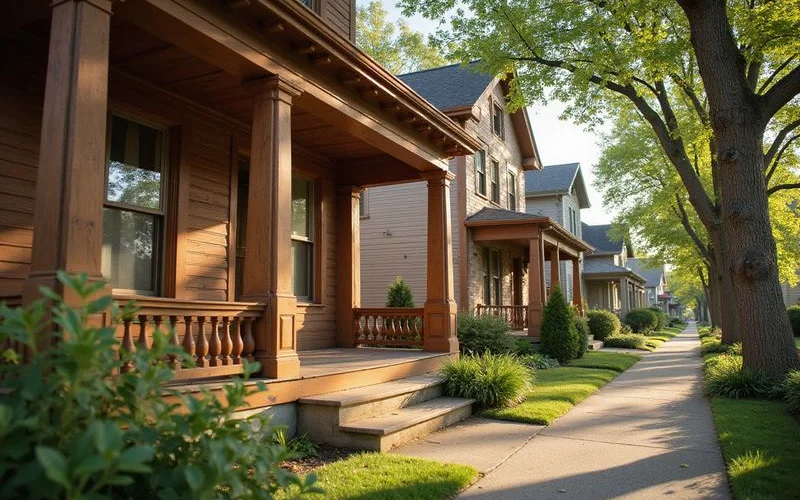
Interior work is generally exempt from historic review. The city explicitly blocks historic properties from using the quick Contractor Express Building Permit system. Our contractors focus on the outside, where the Heritage Preservation Commission holds full authority.
The commission requires a Certificate of Appropriateness for the following common projects:
- Window replacements: Removing original wood sash windows is heavily restricted, especially on street-facing elevations.
- Roofing materials: Character-matching synthetic slate or specific architectural shingles require approval.
- Porch repairs: Replacing detailed wooden trim or decking must match the original profile exactly.
- Siding and masonry: Changes to brickwork, stucco, or original wood siding face intense evaluation.
- Additions and demolition: Adding a new garage or tearing down an old structure mandates a full public hearing.
A famous 2014 case on Summit Avenue proved how strict these rules are. The City Council upheld a decision denying a homeowner permission to swap nine aging wood casement windows for aluminum-clad versions. We often share this story to emphasize the importance of protecting a property’s character.
How Does Designation Affect the Repair-or-Sell Decision?
Designation forces you to weigh the high cost of historically accurate materials against the convenience of selling the property in its current condition. We help sellers calculate this exact trade-off to protect their equity. Historic home repairs in Saint Paul require specialized labor and long wait times for custom materials.
Sellers must also factor in the city’s application processing timeline. Our analysis shows that matching original millwork can easily double a standard repair budget. Expensive exterior problems often tip the scales toward a direct, as-is sale.
A fast transaction eliminates the burden of city compliance. We use a standardized framework to help you evaluate your options objectively.
| Repair Decision Factor | Standard Property | Designated Historic Property |
|---|---|---|
| Window Replacement | Fast approval, standard vinyl allowed | Strict review, custom wood required |
| Porch Repairs | Standard decking materials accepted | Must match original profile and wood species |
| Project Timelines | Instant online permits available | Weeks of review, express permits prohibited |
| Selling As-Is | Passes minor cosmetic flaws to buyer | Passes major compliance risks to buyer |
Use the repair first or sell as-is worksheet to compare your specific costs. The math will reveal the most profitable path forward. Our team relies on this tool to build competitive listing strategies.
What Do Buyers Think About Designation?
Buyer reactions range from strong enthusiasm for architectural preservation to extreme caution regarding future repair costs. We find that education is the best way to manage buyer expectations.
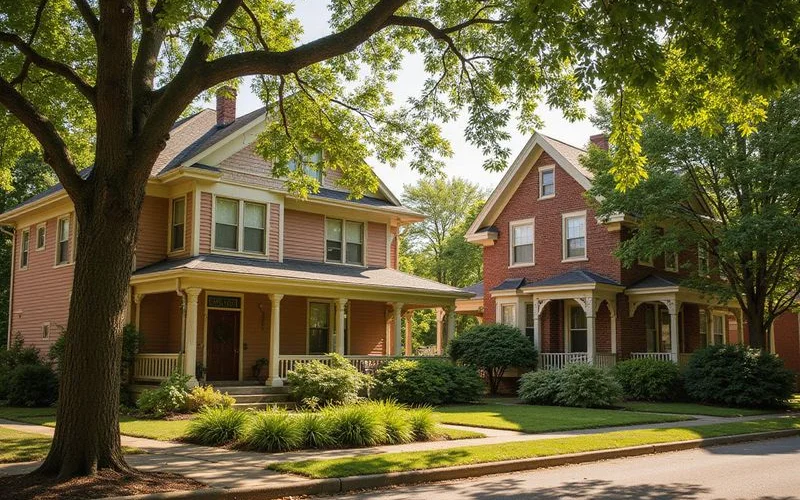
Many buyers actively seek out these protected neighborhoods for their guaranteed charm. Market data from late 2026 shows median listing prices in the Historic Hill District hovering near $387,000. Our agents view this strong pricing as an indicator of healthy demand for well-maintained historic real estate.
Investors approach these properties through a completely different lens. Flippers and renovators immediately price in the delays caused by Heritage Preservation Commission reviews. We know that experienced buyers discount their offers to cover the premium cost of approved exterior materials.
A dated interior is less of a barrier than a failing, historically protected roof. Serious buyers focus their inspection on the exterior envelope. We outline strategies for these situations in our guide to selling an older Saint Paul home with outdated systems. It pairs perfectly with this information.
A Practical Checklist
Organizing your approach prevents costly mistakes and speeds up your timeline. We developed this step-by-step checklist based on real transactions in Saint Paul.
- Verify designation by exact address: Search the city’s database or contact Heritage Preservation directly to catch block-by-block differences.
- Catalog exterior repairs: List every planned update and check whether it triggers a mandatory design review.
- Source specialized quotes: Require contractors to include the cost of historically appropriate materials in their bids.
- Run the numbers: Compare the repaired net profit with a direct, as-is offer to find your best financial move.
- Disclose status immediately: Share the historic designation status with any potential buyer up front to prevent late-stage cancellations.
Ryan checks designation for every address and explains how it factors into the written outline.
The right preparation turns a complicated process into a smooth sale.
Our team stands ready to assist you with the next steps for selling a home in a Saint Paul historic district.
This guide is general information for Saint Paul and Minnesota sellers, not legal, tax or financial advice. Rules change, so confirm current requirements with the official source or a qualified professional.