
Why Do Older Saint Paul Homes Raise the Same Questions?
We talk to owners every week who need to sell an old house with outdated systems in Saint Paul, and they face the exact same hurdles. You know how unpredictable the local market can feel. From Victorians on Summit Hill to frame houses in Frogtown, homes built before 1950 share a familiar, dated set of systems.
Our experience shows that these aging features do not automatically stop a sale.
Instead, they directly affect what buyers can insure, finance, and eventually pay. A 680 credit score might get a buyer in the door, but a dated boiler can quickly shut it.
We put together a guide on how to sell your house as-is in Saint Paul to explain exactly how repairs change an offer. This resource clarifies the financial impact of every skipped upgrade. Let’s look at the data, what it actually tells us, and then explore a few practical ways to respond.
Knob-and-Tube Wiring
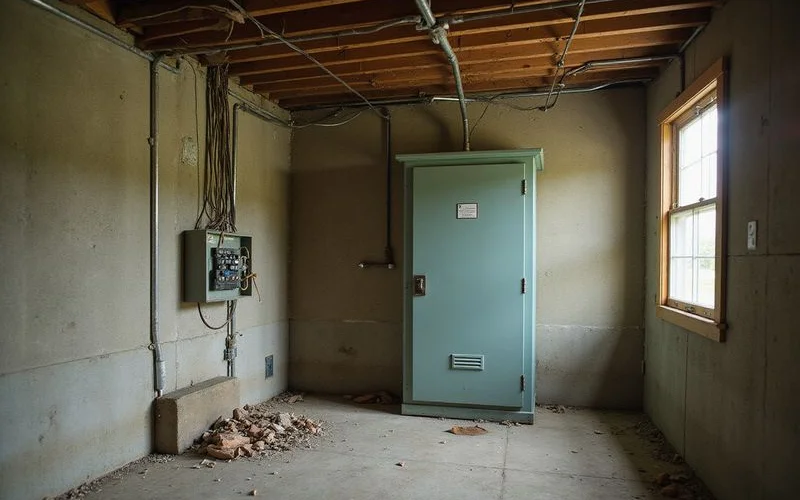
We always look for knob-and-tube wiring during initial property walk-throughs. This older system was standard in houses built well into the 1930s. It lacks a grounding wire and struggles with modern electrical loads.
Our network of buyers frequently flags this as a primary safety concern. The Minnesota Electrical Code, specifically NEC 2023 Article 394.12, prohibits this wiring in spaces surrounded by loose insulation. This strict restriction creates massive headaches for buyers wanting to improve energy efficiency.
We consistently see major insurance carriers refuse coverage when active knob-and-tube is present. A buyer might secure a great mortgage rate, but a denied insurance policy will kill the deal instantly. Some companies like State Farm might offer a 30-day window to replace it, which puts immense pressure on a new homeowner.
Our contractors quote typical home rewiring costs anywhere from $8,000 to over $15,000 depending on wall access. This hefty expense gets factored straight into any retail offer. When looking to sell house knob and tube wiring problems give you a few management options:
- We suggest hiring an electrician to verify if the wiring is active or abandoned.
- Upgrading an old fuse panel to a 200-amp breaker solves part of the problem.
- Offering a seller credit at closing keeps the buyer’s lender happy.
Boilers and Radiator Heat
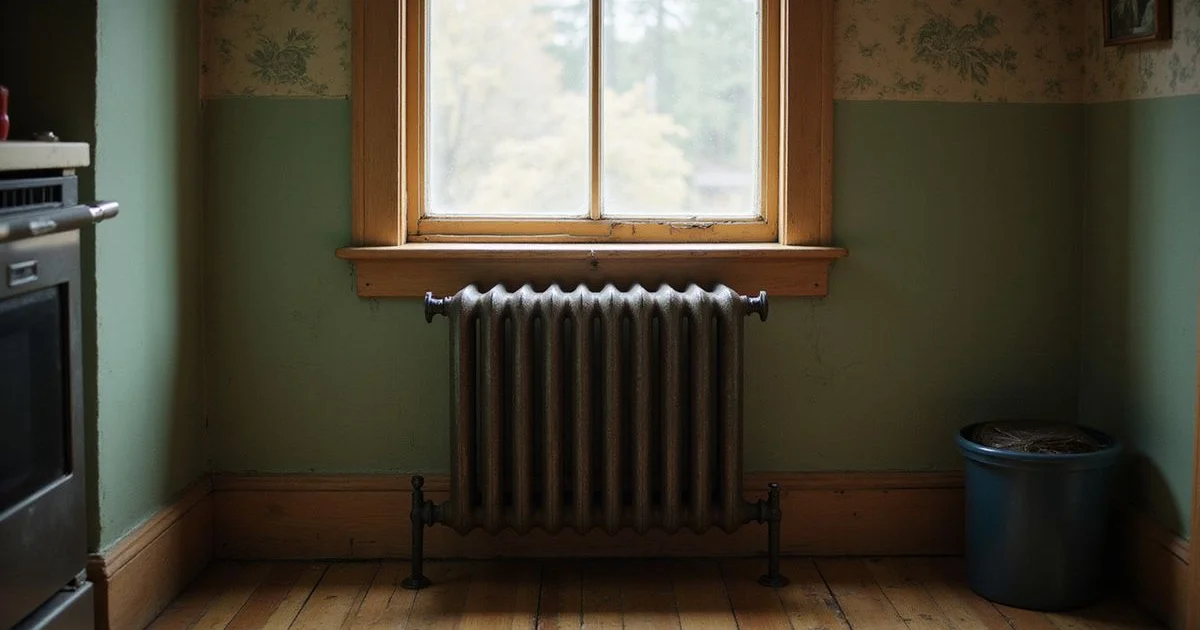
We find that hot-water and steam boiler systems are incredibly common in classic Saint Paul neighborhoods. Many units perform reliably for decades. Buyers often prefer the comfortable, even heat they provide.
Our maintenance teams recommend checking the pressure gauge regularly to ensure it sits between 12 and 18 psi. This simple step prevents the system from running under stress. A well-maintained unit is a strong selling point.
We check the installation dates on these systems immediately during a consultation. A standard boiler in Minnesota has a typical lifespan of 15 to 20 years. Once a unit hits that age, efficiency drops and replacement becomes a looming threat.
Our local HVAC contacts estimate that a standard boiler replacement currently costs between $4,500 and $8,000. High-efficiency models can easily exceed $10,000. Older pipes often feature asbestos insulation wraps.
We strongly advise gathering specific details to reassure nervous buyers. Knowing the facts prevents deals from falling apart. When you sell house with old boiler units, you should prepare answers for these common questions:
- We always ask owners for the exact installation year.
- Providing receipts from a licensed HVAC tech proves the system was serviced.
- Inspecting the valves and baseboards for corrosion helps identify hidden leaks.
Galvanized and Cast-Iron Plumbing
We pay close attention to the plumbing materials hidden behind the walls. Galvanized steel supply lines corrode from the inside over time, reducing water pressure and eventually leaking. Cast-iron drain lines can crack or rust away completely.
Our buyers frequently request a sewer lateral camera inspection on older properties. Twin Cities freeze-thaw cycles shift the soil around old clay tile joints every winter. This movement opens gaps that let aggressive tree roots inside the pipes.
We inform sellers that a standard sewer scope in Saint Paul usually costs between $150 and $350. The camera reveals the exact condition of the line running from the house to the street. Broken clay or cast-iron pipes are notoriously expensive to dig up and fix.
Our plumbers note that repiping a whole house easily runs into the thousands. Due to galvanized plumbing selling house timelines often extend as buyers negotiate. Consider these simple visual improvements:
- We recommend upgrading just the exposed galvanized pipes in the basement.
- Replacing old shut-off valves stops slow drips.
- Swapping out a corroded water heater supply line provides instant buyer relief.
Stone and Early Block Foundations
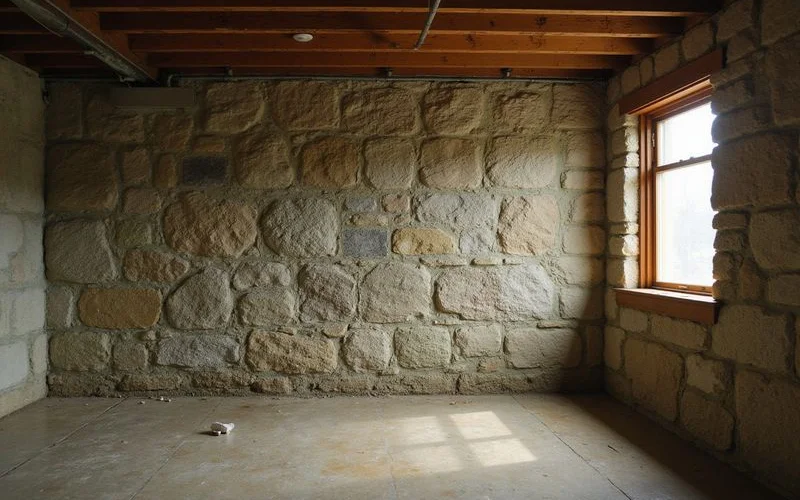
We assess foundation health before looking at any cosmetic upgrades. Fieldstone and limestone foundations form the base of Saint Paul’s oldest neighborhoods. Many of these century-old walls remain perfectly sound.
Our inspections focus heavily on mortar loss, seepage, and efflorescence, which are those white mineral deposits left by water. Early concrete block walls often show stepped cracks resulting from soil pressure. A foundation issue is a significantly bigger ticket item than most others on this list.
We see repair companies charge around $500 to $1,000 per carbon fiber strap to stabilize a bowing block wall. Tuckpointing an old limestone foundation requires specialized historical masonry skills. If you see serious movement, our guide on selling a damaged house covers your best options.
Identifying Moisture Problems
We look for subtle signs of water damage during the spring thaw. Poor grading outside directs snowmelt straight into porous foundation walls. Installing a proper drain tile system inside the basement manages this unavoidable moisture.
Our team advises fixing gutter downspouts before spending money on interior wall repairs. Extending downspouts just six feet away from the house makes a dramatic difference. Dry basements sell much faster than damp ones.
Lead Paint and Other Older-Home Items
We guide sellers through the strict disclosure laws tied to older construction. Homes built before 1978 likely have lead-based paint somewhere on the property. Federal rules strictly require a lead-based paint disclosure for most sales of these homes.
Our staff also points out the Saint Paul Truth-in-Sale of Housing disclosure requirements. This visual evaluation provides basic condition information to prospective buyers before closing. Asbestos-containing materials, such as old pipe wrap or nine-inch floor tiles, frequently appear in these reports.
We remind clients that these materials do not automatically stop a sale. They simply affect how contractors approach renovations and calculate their cleanup costs. Proper abatement adds time and expense to any future remodeling plans.
How Does Each Item Affect a Sale?
We created this breakdown to show exactly where negotiations typically stall. Retail buyers get spooked by immediate out-of-pocket expenses. Cash offers simply subtract the commercial repair rate from the property’s market value.
| System or item | Effect on retail buyers | Effect on an as-is offer |
|---|---|---|
| Knob-and-tube wiring | Insurance denials; 30-day fix mandates | $8k to $15k rewiring cost deducted |
| Old boiler (15+ years) | Concerns over $4.5k+ replacement | Full replacement cost deducted |
| Galvanized plumbing | Low pressure complaints; leak fears | Full repiping cost deducted |
| Sewer lateral problems | $150 to $350 scope reveals $5k+ fixes | Trenching and replacement deducted |
| Stone foundation issues | Lender flags; massive safety concerns | Varies heavily; often a $10k+ hit |
| Lead paint & Asbestos | Required state/federal disclosures | Increases future renovation bids |
We use this data to set realistic pricing expectations from day one. Ignoring these numbers leads to frustrating price drops later. Transparency up front builds trust with potential buyers.
Should You Fix These Before You Sell an Old House with Outdated Systems in Saint Paul?
We analyze the return on investment for every proposed repair. Sometimes, replacing a small, outdated electrical panel removes a major buyer objection for a relatively low cost. Rewiring an entire house or replacing a working but old boiler is a much riskier financial decision.
Our repair first or sell as-is worksheet helps you compare the cost and time with the likely change in final price. You have to weigh the immediate cash drain against the potential equity gain. Local regulations add another layer of complexity to these choices.
We urge sellers to check the specific neighborhood guidelines before starting exterior work. If your property sits in a protected area, read up on selling a home in a Saint Paul historic district. Making the right call saves you thousands of dollars and months of wasted effort.
We are ready to help you manage these choices. Take a close look at your property’s mechanicals today. Consider these final steps to sell an old house with outdated systems in Saint Paul:
- We recommend scheduling a pre-listing inspection.
- Gathering all your maintenance records builds immediate buyer confidence.
- Setting a realistic asking price prevents the home from sitting on the market.
This guide is general information for Saint Paul and Minnesota sellers, not legal, tax or financial advice. Rules change, so confirm current requirements with the official source or a qualified professional.